If you’ve recently been told that you may need Vascular Surgery, you’re probably wondering what the procedure involves, why it’s necessary, and what recovery might look like. These are common concerns, and understanding the role of Vascular Surgery can help you feel more informed and confident when discussing treatment options with your healthcare team.
Your circulatory system plays a critical role in delivering oxygen and nutrients throughout your body. When blood vessels become blocked, narrowed, weakened, or damaged, serious health complications can occur. In many cases, Vascular Surgery is used to restore healthy blood flow, prevent complications, and improve a patient’s quality of life.
While the term may sound intimidating, modern Vascular Surgery includes a wide range of procedures, many of which are minimally invasive and highly effective. Understanding both the benefits and challenges of these treatments can help you make informed decisions about your health.
Key Takeaways
- Vascular Surgery focuses on treating diseases of the blood vessels.
- Many procedures help restore blood flow and prevent serious complications.
- Treatment options may include both open surgery and minimally invasive techniques.
- Recovery times vary depending on the procedure and individual health factors.
- Early diagnosis often improves treatment outcomes.
- Understanding risks and benefits can help patients feel more prepared.
What Is Vascular Surgery?

Many patients ask what exactly Vascular Surgery is and why it may be necessary.
Simply put, Vascular Surgery is a medical specialty focused on diagnosing and treating conditions that affect arteries, veins, and the lymphatic system. These conditions can interfere with blood circulation and lead to serious health problems if left untreated.
A specialist in Vascular Surgery may treat conditions such as peripheral artery disease, carotid artery disease, abdominal aortic aneurysms, varicose veins, deep vein thrombosis, and chronic venous insufficiency.
The goal of treatment is to improve circulation, reduce symptoms, prevent complications, and help patients maintain a better quality of life.
Why Patients May Need Vascular Surgery
You may be surprised to learn how common vascular conditions are.
As people age, blood vessels can become damaged due to factors such as smoking, diabetes, high blood pressure, high cholesterol, and family history. In some cases, lifestyle changes and medications are enough to manage these conditions. However, when blood flow becomes significantly restricted or when a blood vessel is at risk of rupture, Vascular Surgery may become necessary.
One of the greatest strengths of modern Vascular Surgery is its ability to address potentially life-threatening conditions before they become medical emergencies.
For many patients, treatment can help reduce pain, improve mobility, and lower the risk of severe complications such as stroke or limb loss.
What Is the Most Common Vascular Surgery?
One of the most frequently asked questions is what is the most common vascular surgery.
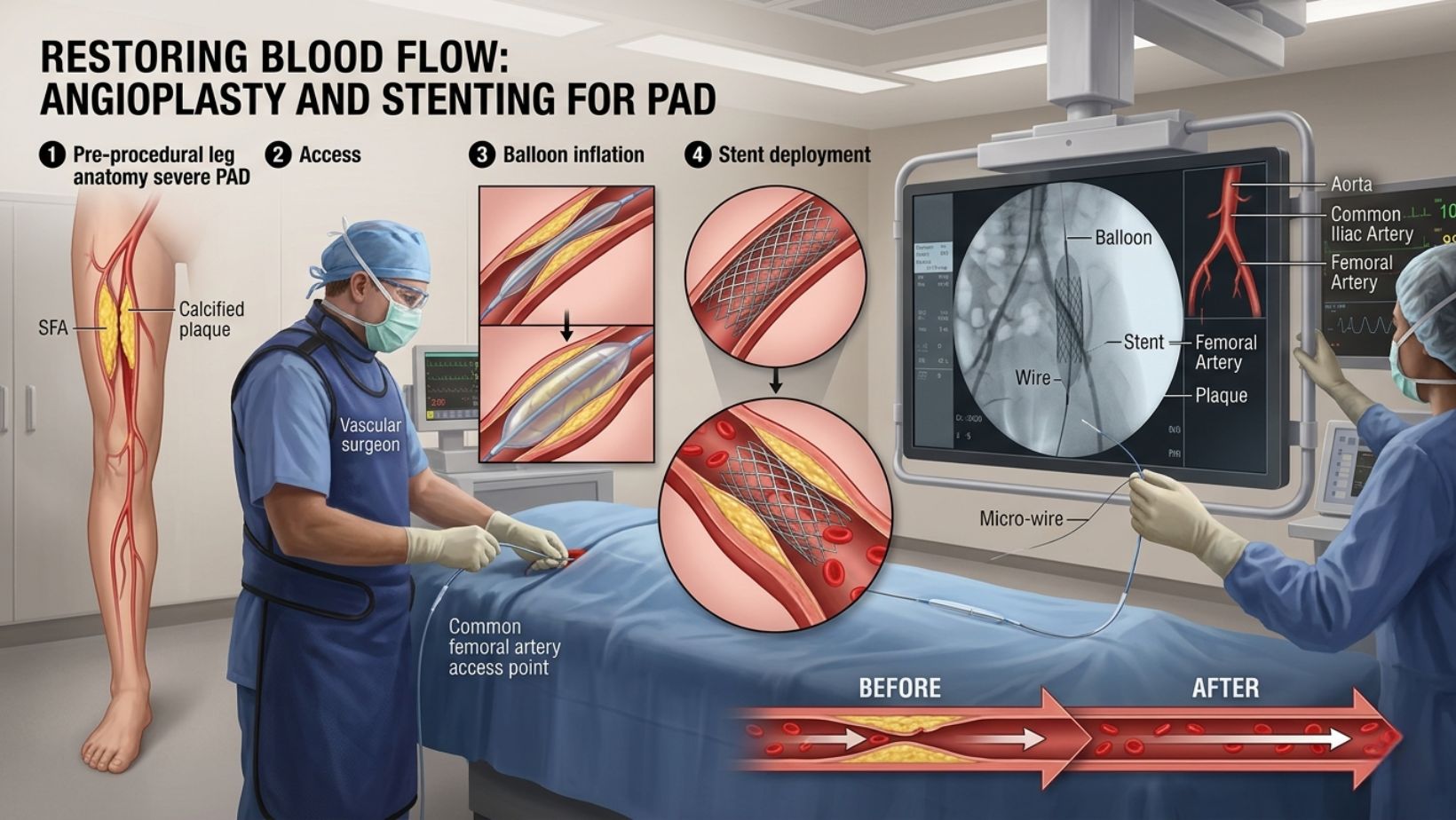
The answer depends on the patient population, but procedures for peripheral artery disease are among the most commonly performed vascular interventions. These procedures are often necessary when arteries become narrowed or blocked, reducing blood flow to the legs.
Many Vascular Surgery procedures today involve minimally invasive techniques such as angioplasty and stenting. During these treatments, specialists use small instruments to open blocked arteries and restore circulation.
Other common procedures include carotid artery surgery to reduce stroke risk and aneurysm repairs designed to prevent dangerous blood vessel ruptures.
Advancements in Vascular Surgery have significantly improved patient outcomes while reducing recovery times for many individuals.
The Life-Saving Potential of Vascular Surgery
One reason Vascular Surgery is so important is that it often addresses conditions that can have severe consequences if left untreated.
For example, carotid artery disease can increase the risk of stroke, while an untreated abdominal aortic aneurysm may rupture unexpectedly. Both situations can become life-threatening.
Through early diagnosis and timely intervention, Vascular Surgery can help prevent these outcomes and significantly improve patient safety.
This is why healthcare providers encourage individuals with vascular risk factors to seek medical evaluation and appropriate monitoring.
Expertise in Vascular Surgery: Dr. Luis Figueroa and Dr. Asem Saleh
Successful treatment often depends on the experience and expertise of the specialists involved. Physicians such as Luis Figueroa and Asem Saleh are recognized for their contributions to the field of Vascular Surgery and their commitment to helping patients manage complex vascular conditions.
Their expertise includes evaluating circulation disorders, identifying appropriate treatment options, and helping patients understand the risks and benefits of various interventions. Because vascular disease can affect multiple areas of the body, specialized knowledge is essential when developing individualized treatment plans.
Areas of Expertise
Specialists in this field may provide expertise in:
- Peripheral artery disease
- Carotid artery disease
- Aortic aneurysm management
- Endovascular procedures
- Limb preservation and salvage
- Venous disease treatment
- Dialysis access procedures
- Complex vascular reconstruction
Through their experience in Vascular Surgery, these specialists help patients receive evidence-based care focused on improving long-term vascular health and overall quality of life.
Challenges and Risks Patients Should Understand
Like any medical procedure, Vascular Surgery carries certain risks.
The specific risks depend on factors such as the patient’s overall health, the type of procedure being performed, and the severity of the underlying condition.
Potential complications may include:
- Infection
- Bleeding
- Blood clots
- Damage to surrounding tissues
- Re-narrowing of blood vessels
However, many patients find that the benefits of treatment outweigh the risks, particularly when serious circulatory problems are involved.
Your healthcare team can help explain whether Vascular Surgery is appropriate for your situation and what precautions can help reduce potential complications.
What Is the Recovery Time for Vascular Surgery?
Another common concern is what is the recovery time for vascular surgery.
Recovery varies depending on the type of procedure performed. Minimally invasive treatments often allow patients to return to normal activities within days or weeks, while more complex procedures may require longer recovery periods.
Factors that can influence recovery include:
- Age
- Overall health
- Type of procedure
- Presence of other medical conditions
- Adherence to post-operative instructions
Many patients experience gradual improvements as circulation improves following Vascular Surgery.
Your surgeon will typically provide personalized recommendations regarding activity levels, follow-up appointments, medications, and lifestyle modifications to support recovery.
Fact vs. Reality: What Patients Often Worry About
One of the most common concerns patients have is that every vascular procedure requires major surgery and a lengthy hospital stay.
In reality, advances in Vascular Surgery have led to many minimally invasive treatment options that require smaller incisions, shorter hospital stays, and faster recovery periods.
Another common misconception is that treatment only provides temporary benefits. While long-term success depends on lifestyle habits, medical management, and follow-up care, many patients experience significant improvements in symptoms and quality of life after treatment.
This is why following your physician’s recommendations remains an important part of maintaining vascular health.
How Healthcare Expertise Supports Better Outcomes
Treating vascular disease often requires collaboration among healthcare professionals.
A medical consultant may provide specialized clinical expertise for complex cases, while a healthcare consultant can help healthcare organizations improve care delivery and patient outcomes.
Many healthcare organizations also rely on a medical consultant network to access expertise across multiple specialties. Through healthcare consulting, healthcare systems can identify opportunities to improve quality, efficiency, and patient-centered care.
This collaborative approach helps ensure that patients receive comprehensive treatment supported by current evidence and best practices.
Conclusion
Learning about Vascular Surgery can feel overwhelming at first, especially if you or a loved one has been diagnosed with a vascular condition. However, understanding how these procedures work can help you feel more confident when discussing treatment options with your healthcare team.
From restoring healthy blood flow and reducing symptoms to preventing life-threatening complications, Vascular Surgery plays a vital role in modern medicine. Advances in technology and treatment techniques continue to improve patient outcomes and expand the options available for care.
If you are considering treatment or seeking expert guidance on vascular health, consulting with experienced specialists is an important step toward making informed healthcare decisions.
For organizations and healthcare providers seeking physician expertise, strategic healthcare guidance, and access to experienced specialists, MDconsultants offers a network of professionals dedicated to improving healthcare outcomes.