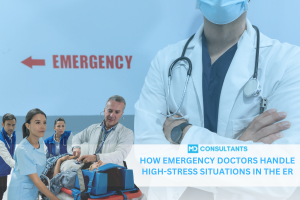
Working in the emergency room is one of the most demanding roles in healthcare. Emergency Doctors are expected to make fast and accurate decisions while dealing with patients whose conditions may change within seconds. Unlike other medical settings where cases are planned and scheduled, the ER is unpredictable. Every minute brings a new situation that requires immediate attention.
What makes this environment even more challenging is the combination of medical urgency and emotional pressure. Emergency Doctors are not only treating illnesses and injuries, they are also managing anxious families, limited resources, and overlapping critical cases. Despite all of this, they are expected to stay calm, think clearly, and act quickly.
In modern healthcare systems, support structures like Healthcare consulting and hospital process improvement play a role in reducing unnecessary pressure on ER teams. Organizations like MDconsultants help improve workflows so Emergency Doctors can focus more on patient care rather than operational delays.
What makes the ER so stressful for emergency doctors?
The emergency room is stressful because everything is urgent and unpredictable. Emergency Doctors often handle multiple critical patients at the same time, with limited information and time to assess each case properly. Conditions like stroke, trauma, and cardiac arrest require immediate intervention, where even a few minutes can affect outcomes.

There is also emotional pressure involved. Families are usually scared or panicking, and doctors must stay composed while delivering care. On top of that, limited staffing and high patient volume make the workload even heavier.
How do emergency doctors stay calm under pressure?
Emergency Doctors stay calm because of training and repetition. Medical education prepares them to follow structured protocols so they do not rely only on emotion or instinct. Instead, they use established emergency procedures and triage systems.
Experience also plays a big role. The more cases they handle, the better they become at recognizing patterns and prioritizing actions quickly. Team coordination also helps reduce pressure because responsibilities are shared among the healthcare staff.
What skills are most important for emergency doctors?
The most important skills include rapid decision making, critical thinking, communication, and emotional control. Emergency Doctors must be able to assess a patient quickly and decide what needs to be done first without hesitation.
They also need strong communication skills because ER care is team based. Nurses, technicians, and specialists all rely on clear instructions. Emotional resilience is equally important because the ER exposes doctors to high stress situations every day.
How does teamwork help in the ER?
Teamwork is essential because no Emergency Doctor works alone in critical situations. Every second counts, and tasks must be distributed efficiently. While one doctor focuses on diagnosis, others may handle procedures, monitoring, or medication.
This coordinated effort helps reduce mistakes and speeds up patient care. A well functioning ER depends heavily on communication and trust among the entire medical team.
The Reality of High-Stress Situations in the ER
Emergency Doctors deal with situations that are often unpredictable and time sensitive. A single shift can include multiple trauma cases, chest pain evaluations, respiratory distress, and unconscious patients. Each case must be prioritized based on severity rather than arrival time.
One of the biggest challenges in the ER is decision making with incomplete information. Unlike planned consultations, emergency cases rarely come with full medical history. Doctors must quickly gather clues from symptoms, scans, and physical examination to make life saving decisions.

Another reality is emotional intensity. Emergency Doctors often deal with life and death situations while also communicating with distressed families. Balancing empathy and urgency is part of the job.
This is where system support becomes important. Healthcare consulting helps hospitals improve patient flow, reduce overcrowding, and design better triage systems so Emergency Doctors can work more efficiently.
Calm vs High-Stress ER Decision Making
| Situation | Calm Medical Setting | Emergency Room Setting |
| Time | Enough time for review | Decisions needed immediately |
| Information | Complete patient history | Limited or missing data |
| Workload | Scheduled patients | Multiple emergencies at once |
| Pressure | Controlled environment | High emotional and clinical pressure |
| Decision style | Step by step analysis | Rapid prioritization |
How Emergency Doctors Handle Pressure in Real Situations
When a patient arrives in critical condition, Emergency Doctors immediately go into a structured response mode. The first step is triage, which means identifying how severe the condition is compared to other patients in the ER.
After that, they focus on stabilizing life threatening issues first. This includes making sure the airway is clear, breathing is supported, and circulation is stable. These steps come before detailed diagnosis because survival is the priority.
Communication is constant during this process. Emergency Doctors coordinate with nurses, lab technicians, and specialists to ensure every task is done quickly and correctly. Even small delays can affect outcomes, so teamwork becomes essential.
At the same time, doctors must control their own stress response. Even in chaotic environments, they are trained to think logically rather than emotionally. This ability is developed through experience and repeated exposure to emergency situations.
Hospitals that invest in Healthcare consulting often improve these processes by refining workflows, reducing delays, and improving coordination between departments.
Key Skills That Make Emergency Doctors Effective
Emergency Doctors rely on both technical and human skills. Clinical knowledge helps them identify and treat medical emergencies, but soft skills are equally important in high stress environments.
Critical thinking allows them to quickly identify what is most dangerous in a patient’s condition. Decision making speed is important because delays can worsen outcomes.
Communication ensures that the entire ER team is aligned and working efficiently. Emotional resilience allows doctors to continue performing even after repeated exposure to traumatic cases.
Many healthcare systems also work with md consulting and healthcare consultant professionals to improve training programs. These programs often include simulation based learning so doctors can practice handling real life emergency scenarios in a controlled environment.
A doctor consultant may also help hospitals evaluate clinical performance and improve emergency response strategies.
Why System Support Matters in Emergency Care
Even highly skilled Emergency Doctors can struggle if the system around them is inefficient. Overcrowded ERs, delayed processes, and poor coordination increase stress and reduce performance.

Healthcare consulting helps address these issues by improving hospital systems. This includes better patient flow design, staffing strategies, and emergency protocols.
Organizations like MDconsultants support healthcare facilities in building structured systems that reduce pressure on medical staff while improving patient outcomes. A well designed system allows Emergency Doctors to focus more on treatment rather than delays and administrative challenges.
Conclusion
Emergency Doctors work in one of the most challenging environments in healthcare. Every decision they make can directly affect a patient’s life, which is why speed, accuracy, and composure are essential.
Their ability to handle high stress situations comes from training, experience, teamwork, and structured systems. However, the efficiency of the entire emergency department also depends on how well the hospital is organized.
With support from Healthcare consulting and organizations like MDconsultants, hospitals can improve emergency workflows and reduce unnecessary pressure on doctors. This creates a better environment for both healthcare professionals and patients.
For more evidence based emergency medicine resources and clinical guidance, you may explore ACEP.
Related Reading: Emergency Doctor to Resus STAT