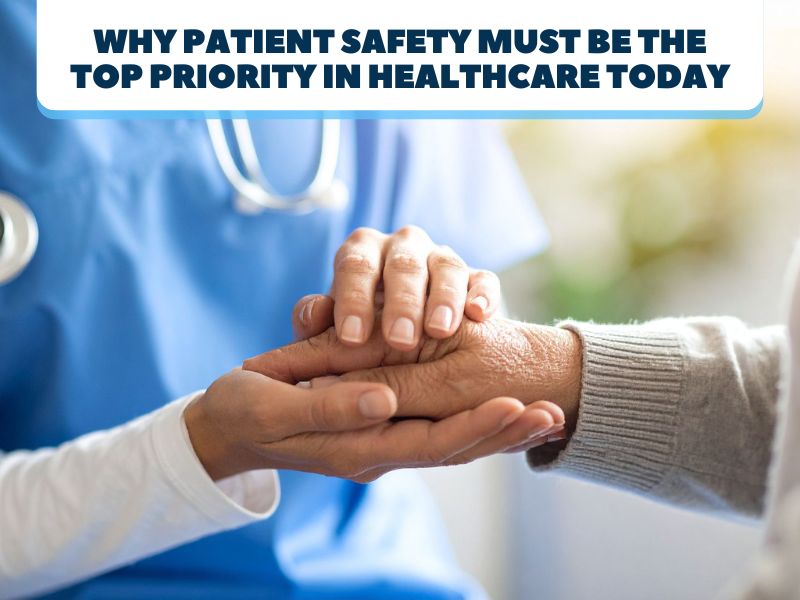
Patient safety is a critical foundation of quality healthcare, as preventable errors, infections, and adverse events continue to result in widespread death, disability, and financial burden worldwide. These failures directly contradict the core medical principle of “do no harm.” Making safety a top priority requires a strong safety culture, well-designed healthcare systems, empowered and accountable staff, and clear, effective communication. When safety is embedded at every level of care, healthcare services become more ethical, reliable, and focused on achieving positive patient outcomes rather than causing avoidable harm.
Why is patient safety most important?
Patient safety is most important because it prevents harm, reduces medical errors, and protects patients’ lives while ensuring quality and ethical healthcare.
Why is safety a priority in healthcare?
Safety is a priority to minimize risks, improve treatment outcomes, maintain trust, and meet legal and professional standards in healthcare settings.
How do you prioritize patient safety?
Patient safety is prioritized by identifying high-risk areas, following evidence-based practices, training staff, encouraging error reporting, and continuously monitoring outcomes.
Who determines the highest priority patient safety issues?
Priority patient safety issues are determined by healthcare organizations, regulatory bodies, public health agencies, and patient safety experts using data, research, and reported incidents.
Healthcare is an industry where every decision, procedure, and interaction can directly affect a patient’s life. While medical advances have significantly improved outcomes, patient safety remains a critical challenge for healthcare providers. Preventable errors, miscommunication, and system inefficiencies still compromise care quality, creating risks that hospitals and clinics cannot afford to ignore. For healthcare professionals, administrators, and organizations, understanding the factors influencing patient safety is crucial—not only for ethical reasons but also for operational and financial sustainability.
Understanding Patient Safety
Patient safety refers to the prevention of errors and adverse effects associated with healthcare delivery. It encompasses a wide range of practices, from ensuring correct medication administration to maintaining hygiene standards, accurate documentation, and robust clinical protocols. Despite widespread awareness, studies indicate that medical errors remain a leading cause of avoidable harm in hospitals and clinics worldwide.

The stakes are particularly high because patients trust healthcare providers to make informed decisions and deliver treatments safely. When that trust is compromised, it can lead to loss of confidence, litigation, and long-term harm to an institution’s reputation. Healthcare leaders are increasingly recognizing that patient safety is not just a clinical concern but also a strategic priority that affects organizational outcomes.
Common Threats to Patient Safety
There are several recurring threats to patient safety that healthcare organizations must address:
- Medication Errors
Incorrect dosage, timing errors, or improper administration of drugs are among the most common threats. These errors can result from miscommunication between staff, unclear prescriptions, or inadequate electronic health record (EHR) systems. Improving workflows, staff training, and leveraging technology can help reduce these risks. - Communication Breakdowns
Miscommunication among healthcare teams is a frequent cause of adverse events. Shift handovers, incomplete patient histories, and fragmented communication across departments can create gaps in care. Structured communication protocols, interdisciplinary rounds, and standardized reporting systems are vital solutions. - Staffing and Fatigue Issues
Burnout and high turnover rates among healthcare professionals significantly affect patient safety. Fatigued staff are more prone to mistakes, which directly impacts care quality. Implementing wellness programs, adequate staffing ratios, and retention strategies are essential to sustaining a safe environment. For guidance on creating effective retention programs, healthcare leaders can refer to this medical consultant resource. - System and Technology Failures
While health technologies have transformed patient care, they also introduce new risks. Malfunctioning devices, poorly implemented electronic health records, or inadequate cybersecurity can compromise patient safety. Organizations must balance innovation with rigorous testing, staff training, and ongoing system evaluations. - Inadequate Infection Control
Preventable infections acquired during hospital stays are a persistent challenge. Adherence to hygiene protocols, proper sterilization techniques, and effective monitoring systems are critical to preventing hospital-acquired infections.
The Role of Culture in Patient Safety
Beyond technical measures, patient safety depends heavily on organizational culture. A culture that prioritizes safety encourages reporting errors without fear of punishment, fosters collaboration, and ensures transparency in all processes. Hospitals and clinics that invest in cultivating a safety-oriented culture consistently report better outcomes, fewer adverse events, and higher patient satisfaction.
Leadership plays a pivotal role in shaping this culture. Hospital administrators must not only enforce policies but also model behaviors that prioritize safety, provide resources for staff education, and recognize teams for adherence to safety standards.
Implementing Effective Patient Safety Strategies
To protect patients effectively, healthcare organizations must implement a combination of evidence-based strategies and ongoing monitoring. Some best practices include:
- Standardizing Procedures: Developing clear, consistent protocols reduces variability in care delivery, which is a common source of errors. Standardization should apply to clinical procedures, documentation, and patient handovers.
- Leveraging Technology Wisely: Digital tools like electronic medical records, clinical decision support systems, and automated alerts can enhance patient safety by reducing human errors. However, organizations must ensure that these tools are user-friendly and integrated seamlessly into workflows. MDconsultants provides insights into how medical consulting can guide technology implementation to maximize safety and efficiency.
- Continuous Training and Education: Staff should receive ongoing training in patient safety protocols, risk identification, and communication techniques. Simulation exercises, workshops, and online modules can help maintain high competency levels.
- Monitoring and Feedback Loops: Regular audits, safety rounds, and incident reporting systems allow healthcare providers to identify risks proactively and respond swiftly. Feedback should be constructive and aimed at improving systems rather than penalizing individuals.
- Patient Engagement: Educating patients about their treatments, encouraging questions, and involving them in decision-making enhances safety. When patients are informed, they can help catch potential errors and contribute to safer outcomes.
Navigating Regulatory Complexities
Healthcare in Canada operates under strict regulatory frameworks designed to protect patient safety. Physicians, nurses, and allied health professionals must adhere to established clinical practice guidelines, protocols, and reporting requirements. Keeping up with regulatory changes can be challenging, especially for smaller clinics or startups. This is where guidance from experienced Mdconsultants becomes invaluable, providing clarity and actionable strategies to ensure compliance without compromising patient care.
Understanding Canadian medical guidelines, for instance, ensures that treatment protocols align with national standards, reducing the risk of errors and legal issues. Healthcare organizations that actively monitor and implement these guidelines often demonstrate higher quality care and better patient outcomes.
The Impact of Staff Wellness on Patient Safety
Healthcare professionals’ well-being directly affects patient safety. Burnout, stress, and fatigue reduce cognitive function, leading to mistakes and compromised care. Organizations must prioritize staff wellness programs, resilience training, and balanced workloads to mitigate these risks. Resources like MDconsultants guidance on top tips from nurses on dealing with burnout highlight actionable strategies to enhance workplace satisfaction while safeguarding patient outcomes.

Creating an environment where staff feel supported not only improves morale but also increases retention rates, which is crucial for maintaining continuity of care and reducing errors associated with inexperienced personnel.
Why Patient Safety Should Be an Organizational Priority
Patient safety is not solely the responsibility of frontline staff. It is a systemic issue that requires coordinated efforts from leadership, clinical teams, and support staff. Healthcare organizations that fail to prioritize safety face severe consequences, including poor patient outcomes, reputational damage, and financial losses due to malpractice claims or regulatory penalties.
Conversely, organizations that invest in safety measures, staff training, and continuous improvement initiatives build trust with patients, attract skilled professionals, and achieve better operational efficiency. Strategic involvement from experienced healthcare professionals, including medical business consultants and medical school consultants, can accelerate these improvements and provide a competitive edge.
The Future of Patient Safety
Advances in technology, data analytics, and evidence-based medicine are creating new opportunities to enhance patient safety. Artificial intelligence, predictive modeling, and remote monitoring tools allow healthcare providers to identify risks proactively and intervene before harm occurs. However, technology is only part of the solution. Human oversight, training, and a strong safety culture remain critical components.
Healthcare organizations are increasingly recognizing the value of partnerships with specialized firms to navigate this complex landscape. By collaborating with experts in medical consulting, institutions can implement systems that not only meet current safety standards but also anticipate emerging risks.
Conclusion
Patient safety is the cornerstone of high-quality healthcare. From preventing medication errors to fostering a culture of accountability and wellness, every measure taken to protect patients contributes to better outcomes, enhanced trust, and operational excellence. While challenges remain, healthcare organizations that proactively address risks, embrace innovative solutions, and prioritize staff support are better positioned to deliver safe, effective care.
If you want to learn how your healthcare organization can implement advanced patient safety strategies while optimizing performance, partnering with experts can make all the difference. Explore how MDconsultants can guide your organization toward safer, more efficient care delivery. With the right support, protecting your patients becomes not just a priority but a sustainable practice that transforms your healthcare environment.
Related Reading: How to Improve Workplace Productivity in the Healthcare Industry