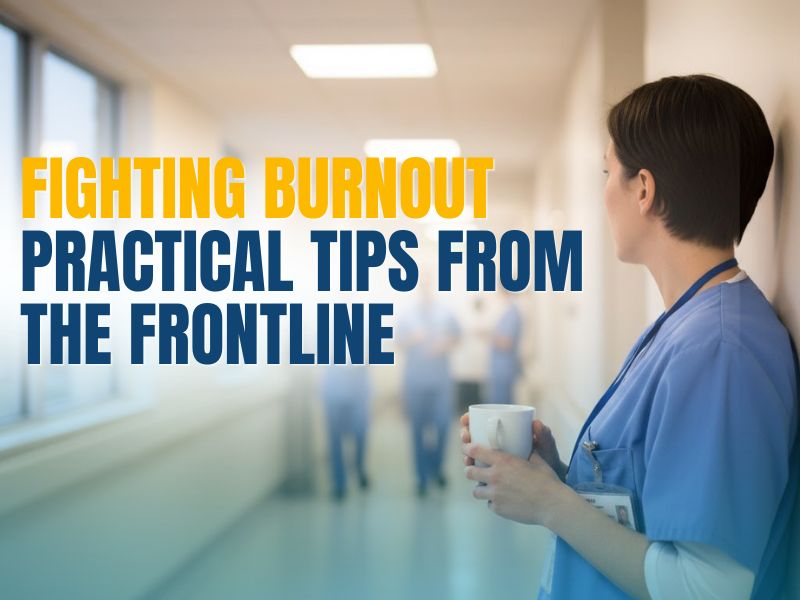
Top strategies from doctors for preventing burnout include maintaining a healthy work-life balance by setting firm boundaries between clinical duties and personal time, engaging in regular physical activity, and ensuring adequate rest. Many also emphasize the importance of emotional support whether through peer groups, mentors, or therapy and incorporating relaxation techniques such as meditation or deep breathing. Additionally, taking periodic time off, delegating tasks when possible, and nurturing hobbies outside medicine can help sustain long-term well-being and career satisfaction.
How do nurses deal with burnout?
Nurses cope with burnout by prioritizing self-care, setting healthy work-life boundaries, seeking peer or professional support, and practicing mindfulness or relaxation techniques.
How long does it take to recover from a burnout?
Recovery from burnout varies by individual, but it can take several weeks to months depending on the severity and consistency of rest, therapy, and lifestyle adjustments.
How to recover from burnout in six steps?
- Recognize the signs of burnout
- Take a break or reduce workload
- Prioritize sleep, nutrition, and exercise
- Seek emotional or professional support
- Reconnect with meaningful activities
- Set boundaries to prevent future burnout
What are the activities to manage burnout?
Activities like meditation, yoga, journaling, deep breathing, spending time outdoors, and engaging in hobbies can help relieve stress and manage burnout effectively.
Burnout has become one of the most common challenges faced by healthcare professionals, especially nurses. Long shifts, emotional strain, and the constant demand to provide excellent care can leave even the most dedicated nurses feeling drained. While nursing is one of the most rewarding careers, it also comes with physical, mental, and emotional pressures that can lead to burnout if not managed properly.
This article shares practical, real-world advice from nurses on how to prevent and recover from burnout while maintaining passion and purpose in their careers.
Understanding Nurse Burnout
Nurse burnout is more than simple fatigue. It’s a state of emotional exhaustion, depersonalization, and reduced sense of accomplishment that develops from prolonged stress. Nurses may begin to feel detached from patients, irritable, or even question their purpose in the profession.

Common causes include:
- Heavy workloads and long hours
- Emotional trauma from patient care
- Staffing shortages
- Lack of work-life balance
- Insufficient support from management
Recognizing these warning signs early helps nurses take proactive steps toward recovery before burnout becomes overwhelming.
1. Prioritize Rest and Recovery
Sleep is essential but often neglected in healthcare. Irregular schedules and long shifts disrupt normal rest patterns, leading to exhaustion and decreased focus. Nurses should treat rest as non-negotiable self-care.
Tips for better recovery:
- Stick to a consistent sleep routine when possible
- Create a dark, quiet sleep environment
- Avoid caffeine and screen time before bed
- Use days off for relaxation, not extra chores
Your ability to provide quality care depends on your body’s capacity to recharge.
2. Build Emotional Resilience Through Support
Nursing can be emotionally demanding, and sharing experiences with others helps lighten the load. Talking with trusted colleagues, mentors, or friends allows nurses to express their feelings and gain perspective.
Many healthcare institutions offer peer support programs or group discussions where nurses can share challenges in a safe environment. If none exist at your workplace, even short check-ins during breaks can help foster connection.
Remember, resilience grows stronger when nurses support one another.
3. Set Healthy Boundaries
Boundaries are essential for maintaining energy and preventing burnout. Nurses often feel pressure to take extra shifts or respond to work messages on days off, but saying “no” when you need rest is an act of professionalism, not neglect.

Setting boundaries can include:
- Limiting overtime when feeling exhausted
- Communicating workload limits to supervisors
- Avoiding work emails or calls outside of shifts
When you protect your personal time, you give your patients a more focused and energetic version of yourself.
4. Practice Mindfulness and Stress Management
Mindfulness is a powerful way to reduce anxiety and improve mental clarity. Even a few minutes of intentional breathing or quiet reflection during a busy shift can lower stress levels.
Quick mindfulness practices for nurses:
- Take deep breaths between patient rounds
- Listen to calming music before work
- Reflect on one positive interaction at the end of the day
Small, consistent moments of awareness can reset your mindset and restore balance amid a hectic environment.
5. Seek Professional Mental Health Support
There’s strength in seeking help. Talking to a counselor, therapist, or mental health coach can help nurses process emotions and develop effective coping strategies.
Platforms like MDConsultants encourage healthcare professionals to prioritize mental well-being. Accessing expert advice or connecting with mentors can help nurses address challenges before they escalate into full burnout.
Emotional health is as vital as physical health for long-term career satisfaction.
6. Take Care of Your Physical Health
Physical health strongly influences mental well-being. Nurses often spend hours on their feet, skip meals, or ignore their own symptoms while caring for others. A few small lifestyle adjustments can make a huge difference:
- Stay hydrated throughout the day
- Pack nutritious snacks for long shifts
- Take short walks or stretch when possible
- Engage in light exercise on rest days
Your body is your greatest tool. Caring for it ensures you can continue providing care to others.
7. Reconnect With Your Purpose
Burnout can make nurses lose sight of why they entered the profession. Reconnecting with your “why” helps restore motivation. Reflect on the patients you’ve helped, the skills you’ve developed, and the difference your care makes daily.

Try keeping a gratitude journal or writing down meaningful patient experiences. These reminders of impact can reignite your sense of purpose.
8. Advocate for a Supportive Work Environment
While self-care is essential, burnout is also a systemic issue. Nurses can make meaningful change by advocating for better staffing ratios, improved communication, and fair scheduling.
Creating open discussions with leadership about workloads and mental health can encourage a culture that values well-being. Healthcare leaders must understand that healthy, supported nurses lead to better patient outcomes.
9. Continue Learning and Growing
Continuous education keeps nurses engaged and inspired. Exploring new areas of healthcare, attending workshops, or joining mentorship programs can renew interest in the profession.
At MDConsultants, healthcare professionals can find guidance, research collaboration, and mentorship opportunities that help them grow beyond their current roles. By investing in continuous learning, nurses not only expand their knowledge but also discover new pathways for career satisfaction and advancement.
10. Create a Personalized Self-Care Routine
Self-care looks different for everyone. Some nurses find peace in spending time with loved ones, while others prefer exercise, art, or travel. What matters most is consistency.
Simple self-care practices include:
- Taking short breaks for deep breathing during shifts
- Setting aside time for hobbies or relaxation
- Unplugging from digital distractions after work
When nurses prioritize their own well-being, they model the compassion and care they offer their patients every day.
Conclusion: Supporting Nurses Beyond Burnout
Burnout is a real and serious issue in nursing, but it doesn’t have to define your career. With intentional rest, emotional support, mindfulness, and continued learning, nurses can find renewed balance and fulfillment.
MDConsultants is committed to helping healthcare professionals like nurses thrive not only in their clinical work but also in their personal and professional growth. Through mentorship, consulting, and development opportunities, MDConsultants provides a supportive network where nurses can build resilience, rediscover purpose, and create a sustainable future in healthcare.
Taking care of yourself is not a luxury, it’s a necessity. When nurses are supported, healthy, and inspired, everyone benefits including the patients who rely on their care every day.
Related Reading: Combating Burnout: An 8-Step Guide for Medical Professionals