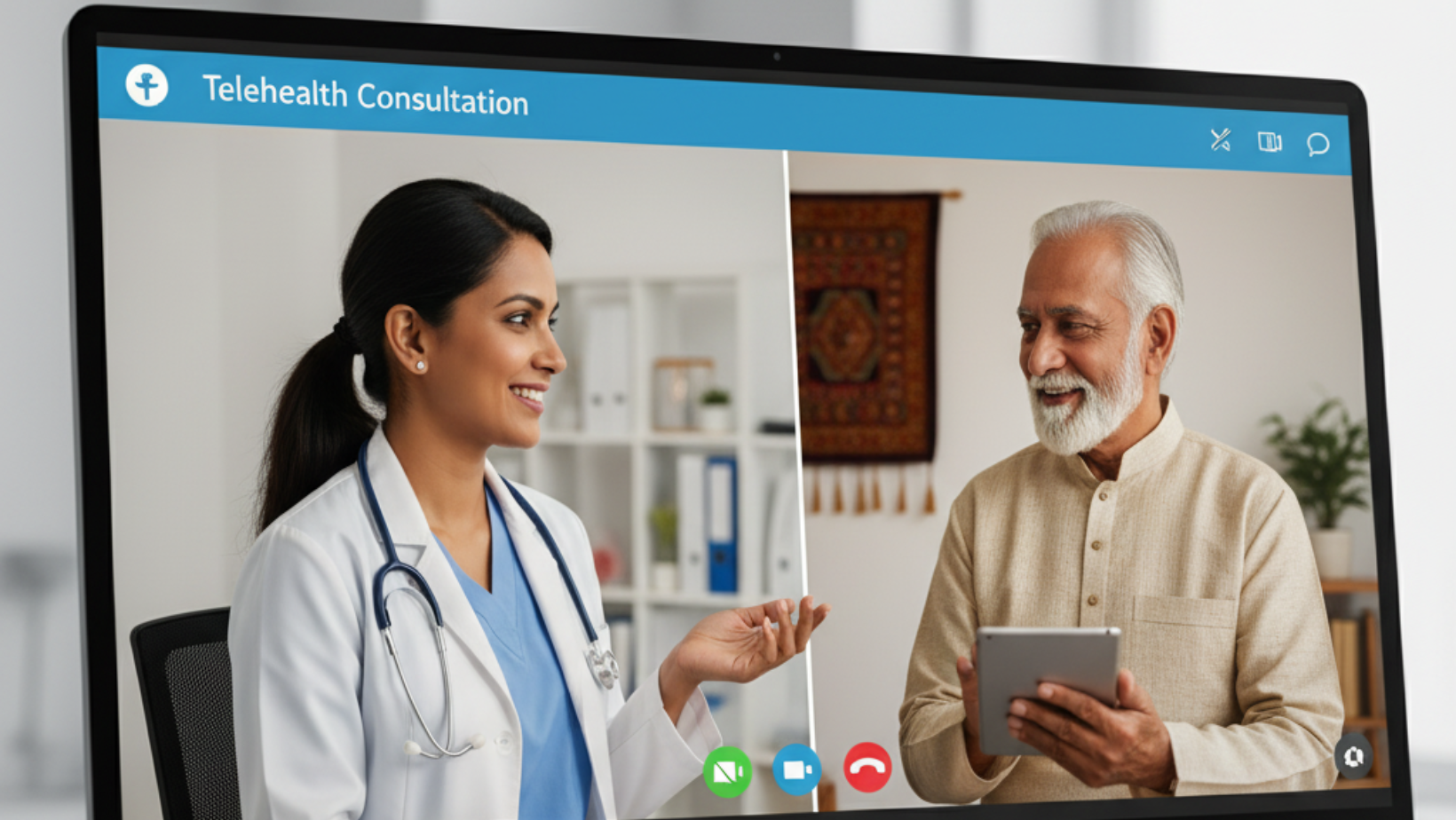
Telehealth has revolutionized the healthcare industry by offering patients convenient access to care while enabling providers to deliver services efficiently. From virtual consultations to remote monitoring, telehealth solutions have become essential, especially in the wake of recent global health challenges. Despite its promise, implementing telehealth is not without obstacles. Healthcare organizations often encounter a variety of barriers that can hinder adoption, impact quality of care, and reduce staff engagement. Understanding these challenges is the first step toward successful telehealth integration.
What are the barriers to telehealth?
Barriers include limited access to technology, poor internet connectivity, lack of digital literacy, privacy concerns, and resistance to change.
What are the 5 barriers to effective communication via telehealth?
- Technical issues (poor audio/video quality)
- Limited patient digital literacy
- Lack of non-verbal cues
- Privacy and security concerns
- Language or cultural differences
What are the barriers to intervention implementation?
Common barriers include insufficient resources, lack of staff training, resistance to change, poor leadership support, and unclear processes.
What are four obstacles to the use of telemedicine?
- Technology access limitations
- Patient or provider resistance
- Regulatory or reimbursement challenges
- Concerns about data security and privacy
Understanding the Value of Telehealth
Telehealth improves accessibility for patients, particularly those in remote or underserved areas. It allows for real-time consultations, follow-ups, and monitoring, reducing travel burdens and wait times. For healthcare providers, telehealth enhances efficiency, allows for better management of patient flow, and provides opportunities to monitor chronic conditions more effectively.
However, while the benefits are clear, healthcare organizations must navigate a complex landscape of technological, regulatory, and human-related challenges to implement telehealth successfully. MDconsultants often emphasize that addressing these barriers proactively is essential for sustainable adoption.
Technological Barriers to Telehealth
- Limited Infrastructure
A robust technological infrastructure is fundamental to telehealth. Organizations must ensure reliable internet connectivity, compatible devices, and secure software platforms. Smaller clinics or rural hospitals may struggle to provide these resources, resulting in inconsistent service delivery and frustration for both patients and staff. MDconsultants note that investing in scalable technology solutions can prevent long-term implementation issues.
- Interoperability Challenges
Telehealth systems must integrate seamlessly with existing electronic health records (EHR) and practice management systems. Lack of interoperability can lead to fragmented patient data, duplication of work, and reduced efficiency. Providers may face challenges in accessing patient history, documenting visits accurately, or coordinating care across multiple platforms.
- Data Security and Privacy Concerns
Patient information is highly sensitive, and telehealth increases the risk of data breaches if proper safeguards are not in place. Healthcare organizations must comply with regulations such as HIPAA in the United States or similar privacy frameworks in other countries. Ensuring secure communication channels, encrypted data storage, and strict access controls is essential for maintaining patient trust. MDconsultants often advise clinics on best practices for cybersecurity during telehealth adoption.
Regulatory and Policy Barriers
- Licensing and Cross-Border Restrictions
Telehealth often involves delivering care across geographical regions. Physicians must navigate licensing regulations that may limit their ability to provide services outside their jurisdiction. These restrictions can slow down adoption and reduce the reach of telehealth services.

- Reimbursement Challenges
Insurance coverage for telehealth services varies by region and provider. Inconsistent reimbursement policies can discourage healthcare organizations from investing in telehealth. Without clear financial incentives, providers may be hesitant to adopt new technologies that require training, support, and maintenance.
- Liability Concerns
Legal liability is another significant barrier. Physicians may worry about malpractice claims related to remote consultations, particularly when physical examinations are limited. Having access to guidance from a medical consultant can help organizations navigate regulatory complexities and establish policies that protect both patients and providers.
Organizational and Operational Barriers
- Resistance to Change
Telehealth implementation often requires a shift in workflow and culture. Staff may resist new technologies due to fear of disruption, lack of familiarity, or concerns about workload. Change management strategies, including training, communication, and phased implementation, are critical to overcoming resistance. MDconsultants emphasizes that staff involvement from the planning phase reduces apprehension and builds engagement.
- Insufficient Training
Effective use of telehealth platforms depends on proper training for both clinical and administrative staff. Without adequate preparation, staff may struggle to schedule virtual visits, troubleshoot technical issues, or educate patients on platform use. Continuous training programs are essential to ensure competence and confidence.
- Workflow Integration Challenges
Telehealth must be integrated into daily clinical operations without creating bottlenecks. Inefficient workflows can lead to missed appointments, duplicated tasks, or delays in patient care. Organizations need to evaluate processes carefully and adapt scheduling, documentation, and follow-up protocols to accommodate virtual care.
Patient-Related Barriers
- Digital Literacy and Access
Not all patients are comfortable using technology. Elderly patients, individuals with disabilities, or those lacking access to reliable internet may struggle to participate in telehealth consultations. Providing support, tutorials, and alternative solutions is essential to ensure equitable access.
- Trust and Acceptance
Some patients prefer in-person visits and may be hesitant to adopt telehealth due to concerns about quality of care or privacy. Clear communication about telehealth benefits, security measures, and expected outcomes can increase patient confidence and engagement.
- Cultural and Language Barriers
Patients from diverse cultural backgrounds may have different expectations and comfort levels with telehealth. Organizations should consider language support, culturally sensitive materials, and patient education to overcome these barriers.
The Role of Healthcare Consulting in Telehealth Implementation
Successfully navigating telehealth barriers often requires expertise beyond internal resources. Healthcare consulting firms can provide valuable guidance in planning, executing, and optimizing telehealth programs. Partnering with an experienced md consulting team ensures that technological, regulatory, and operational challenges are addressed comprehensively.
Consultants can assist with:
- Assessing organizational readiness for telehealth
- Selecting and integrating appropriate technology platforms
- Ensuring compliance with licensing, privacy, and reimbursement regulations
- Designing staff training programs
- Developing patient engagement strategies
By leveraging professional support, healthcare organizations can avoid common pitfalls and accelerate the adoption of telehealth while maintaining quality care. MDconsultants highlight that expert guidance helps clinics implement solutions efficiently and sustainably.
Case Study: Overcoming Telehealth Barriers
A medium-sized hospital wanted to expand telehealth services for follow-up care but faced several challenges, including limited staff training and concerns about patient access. After collaborating with a healthcare consulting team, the hospital implemented a structured approach:
- Staff received comprehensive telehealth training and ongoing support
- Patients were provided with digital tutorials and technical assistance
- Policies and procedures were developed to ensure regulatory compliance
- Data security measures were reinforced
Within six months, telehealth adoption increased significantly, patient satisfaction scores improved, and clinicians reported higher efficiency in managing follow-up care. This case highlights the importance of combining expert guidance, staff support, and patient education to overcome telehealth barriers. MDconsultants often cite this as an example of how structured programs yield measurable outcomes.
Strategies to Mitigate Telehealth Barriers
Healthcare organizations can take proactive steps to address common barriers:
- Invest in Technology: Provide reliable devices, secure platforms, and strong internet infrastructure.
- Engage Staff Early: Involve employees in planning and decision-making to reduce resistance.
- Prioritize Training: Offer continuous education and support to ensure staff competence.
- Address Reimbursement and Legal Issues: Seek guidance from experts to navigate regulatory requirements and financial considerations.
- Educate Patients: Provide clear instructions, support resources, and reassurance to build confidence in telehealth services.
Future Outlook for Telehealth
Telehealth is here to stay, but its successful implementation depends on overcoming these barriers. As technology evolves, integration with artificial intelligence, wearable devices, and remote monitoring tools will enhance patient care. Healthcare organizations that proactively address challenges and leverage consulting expertise, including guidance from MDconsultants, will be well-positioned to provide high-quality, accessible care in a rapidly changing healthcare environment.
Conclusion
Telehealth offers immense potential for improving patient access and healthcare efficiency. However, technological limitations, regulatory challenges, organizational hurdles, and patient-related issues can hinder adoption. By understanding these barriers and implementing proactive strategies, healthcare organizations can successfully integrate telehealth into their services.
Partnering with an expert medical consultant provides the guidance needed to navigate complex challenges. For organizations looking for insights, strategies, and case studies on telehealth and healthcare innovation, explore mdconsultants. To receive tailored support in implementing telehealth programs, connect with md consulting and discover how expert guidance, including recommendations from MDconsultants, can make telehealth integration seamless, effective, and sustainable.
Related Reading: HIPAA Compliance Checklist for Small Clinics