

Healthcare systems face constant pressure to remain prepared for emergencies, disasters, and unexpected public health events. From severe weather conditions and disease outbreaks to cybersecurity threats and operational disruptions, healthcare organizations must respond quickly while continuing to protect patients and staff. This is why Emergency Preparedness remains one of the most important priorities in modern healthcare.
Healthcare organizations across Canada continue strengthening Emergency Preparedness strategies to improve patient safety, communication systems, operational continuity, and crisis response planning. Strong Emergency Preparedness plans help healthcare teams reduce risks, improve coordination, and maintain critical healthcare services during emergencies.
Manveen Puri FRCPC has emphasized the importance of proactive planning, healthcare coordination, and emergency response systems in supporting healthcare operations during critical situations. Healthcare leaders, medical consultants, and healthcare consulting professionals all play important roles in improving organizational readiness and public safety.
Why Emergency Preparedness Matters in Healthcare

Healthcare organizations are expected to continue operating during emergencies, even when facing staffing shortages, supply chain disruptions, technology failures, or increased patient demand. Effective Emergency Preparedness helps organizations respond faster and minimize disruptions during high-pressure situations.
Healthcare facilities use Emergency Preparedness strategies to manage:
- Natural disasters
- Public health emergencies
- Severe storms
- Cybersecurity incidents
- Infrastructure failures
- Mass casualty events
Hospitals and healthcare systems that invest in Emergency Preparedness often improve operational stability and patient outcomes during emergencies.
Healthcare providers must also ensure emergency plans remain updated as healthcare risks and technologies continue evolving.
Emergency Preparedness and Healthcare Leadership
Healthcare leadership plays a critical role in successful Emergency Preparedness planning. Strong leadership helps healthcare organizations coordinate emergency responses, communicate clearly, and manage resources effectively during emergencies.
Manveen Puri FRCPC has discussed the importance of organized emergency response systems within healthcare environments. Healthcare leaders are responsible for developing emergency protocols, supporting staff readiness, and maintaining communication across departments during critical events.
Strong Emergency Preparedness leadership may include:
- Emergency communication systems
- Staff coordination procedures
- Resource management plans
- Crisis response protocols
- Operational recovery planning
Healthcare consulting professionals often help healthcare organizations evaluate existing emergency plans and improve organizational readiness.
The Importance of Staff Training in Emergency Preparedness
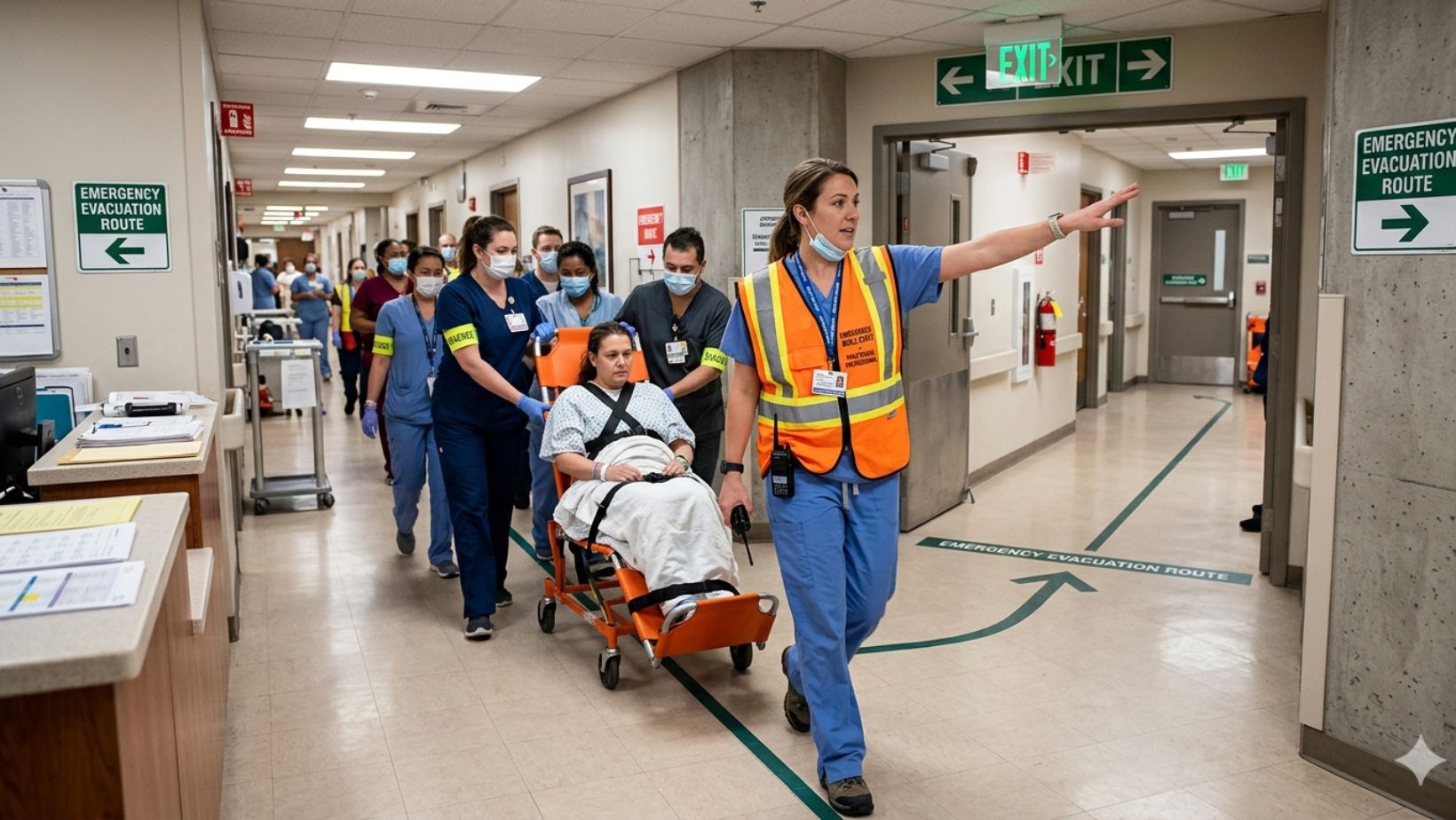
Training is one of the most essential components of Emergency Preparedness. Healthcare workers must understand how to respond quickly and effectively during emergencies to reduce confusion and improve patient safety.
Healthcare organizations regularly conduct Emergency Preparedness training exercises such as:
- Emergency evacuation drills
- Disaster response simulations
- Infection control training
- Emergency communication exercises
- Patient triage scenarios
Healthcare facilities that prioritize Emergency Preparedness training often improve teamwork, coordination, and response efficiency during emergencies.
Manveen Puri FRCPC has highlighted the importance of ongoing emergency education for healthcare teams. Regular training helps staff remain confident and prepared when responding to real-world emergencies.
A healthcare consultant may also help healthcare organizations create customized emergency response programs that align with operational and regulatory requirements.
Emergency Preparedness Canada and Healthcare Systems
Discussions surrounding emergency preparedness Canada continue growing as healthcare organizations strengthen emergency response capabilities across the country. Healthcare systems in Canada face increasing pressure to prepare for public health emergencies, severe weather events, and operational disruptions.
Healthcare organizations involved in emergency preparedness Canada initiatives focus on improving:
- Emergency planning systems
- Healthcare coordination
- Staff readiness
- Supply chain management
- Public communication strategies
Strong Emergency Preparedness planning supports healthcare continuity and helps reduce risks during large-scale emergencies.
Healthcare consulting professionals also help organizations improve emergency response strategies by evaluating operational weaknesses and strengthening healthcare coordination systems.
Technology and Emergency Preparedness
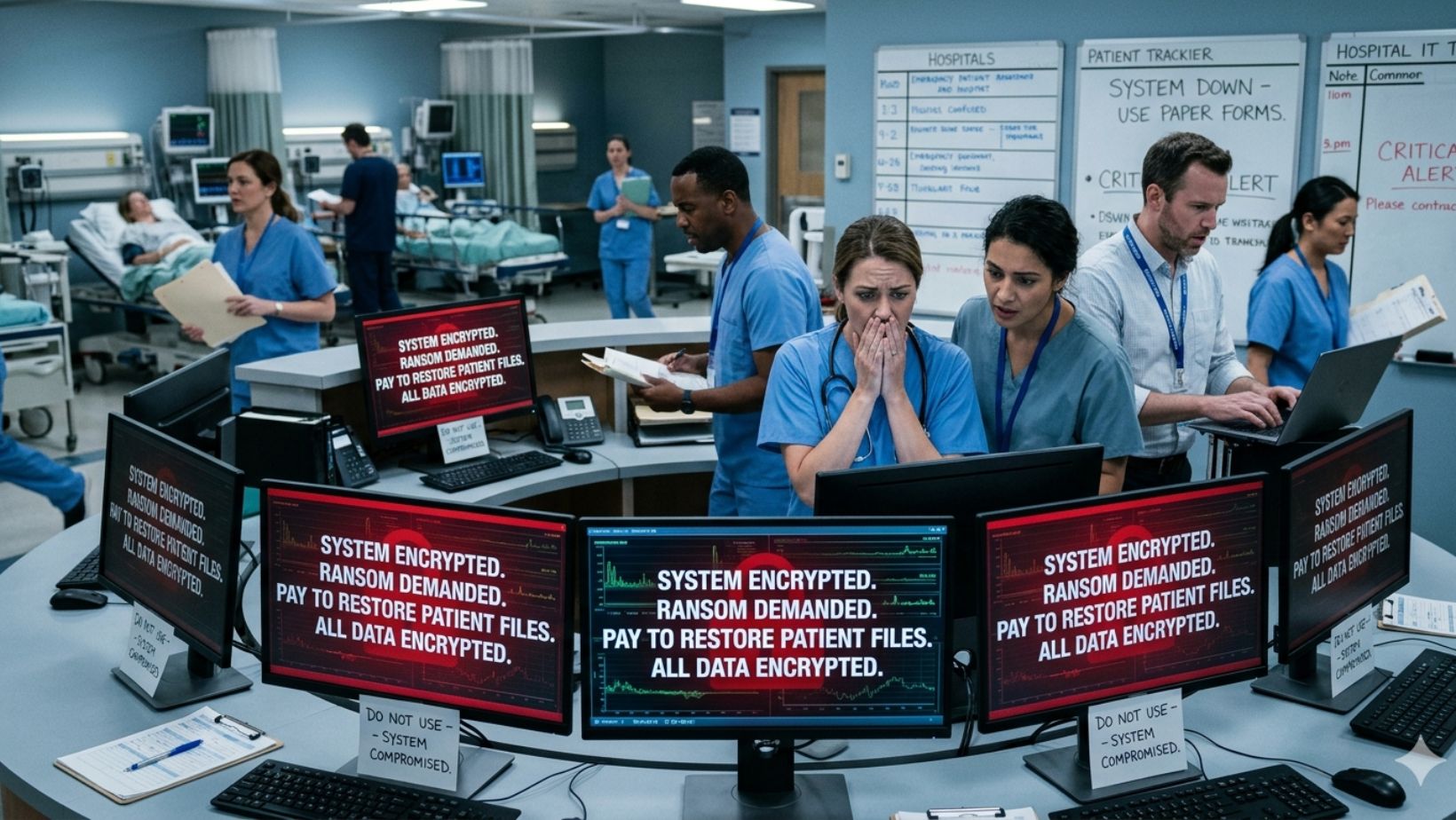
Technology now plays a major role in healthcare operations, making digital planning an important part of Emergency Preparedness. Healthcare organizations depend on electronic systems for patient records, communication, scheduling, and healthcare coordination.
Because of this, healthcare facilities must prepare for technology-related emergencies such as:
- Cybersecurity attacks
- Data breaches
- System outages
- Communication failures
- Power interruptions
Strong Emergency Preparedness plans often include backup systems, recovery procedures, and digital security strategies.
Healthcare organizations may implement:
- Backup power systems
- Data recovery solutions
- Emergency communication tools
- Secure cloud storage
- Remote access systems
Manveen Puri FRCPC has emphasized the importance of maintaining operational continuity during healthcare emergencies. Reliable technology systems help healthcare organizations continue patient care during unexpected disruptions.
Healthcare consulting teams frequently assist organizations with evaluating technology risks and strengthening digital emergency response plans.
Community Coordination and Emergency Preparedness
Effective Emergency Preparedness extends beyond hospitals and healthcare facilities. Communities, emergency responders, public health agencies, and healthcare organizations must work together to improve public safety during emergencies.
Community-focused Emergency Preparedness strategies may involve:
- Public education campaigns
- Emergency response coordination
- Volunteer programs
- Public health communication
- Disaster recovery planning
Healthcare organizations that collaborate with local communities often improve emergency response efficiency and strengthen public trust.
Manveen Puri FRCPC has discussed the value of healthcare coordination and communication during emergency situations. Coordinated healthcare systems help improve resource management and patient support during crises.
A medical consultant or healthcare consultant may help organizations strengthen community partnerships and improve emergency response planning.
How Medical Consultants Support Emergency Preparedness
A medical consultants network can provide specialized expertise during Emergency Preparedness planning and crisis management. Healthcare organizations often work with consultants who understand healthcare operations, emergency response systems, patient safety, and disaster planning.
Medical consultants may assist with:
- Emergency response planning
- Risk assessments
- Staff training programs
- Operational evaluations
- Compliance reviews
- Crisis communication strategies
Healthcare consulting professionals help organizations improve emergency readiness while reducing operational risks during emergencies.
A healthcare consultant may also help healthcare facilities identify weaknesses in existing emergency plans and recommend improvements that support long-term operational stability.
For more information about emergency planning and public safety resources, visit Government of Canada Emergency Preparedness.
Key Takeaways
- Emergency Preparedness helps healthcare organizations maintain patient care during emergencies.
- Healthcare facilities use emergency planning to improve safety, communication, and operational continuity.
- Manveen Puri FRCPC has emphasized the importance of healthcare coordination and emergency response systems.
- Discussions around emergency preparedness Canada continue growing across healthcare sectors.
- Staff training and emergency simulations improve healthcare readiness.
- Technology and cybersecurity planning are important parts of modern Emergency Preparedness.
- Healthcare consulting professionals help organizations improve emergency response strategies.
- A medical consultants network provides specialized support for healthcare emergency planning.
Conclusion
Healthcare emergencies can affect every aspect of healthcare operations, making strong Emergency Preparedness essential for hospitals, clinics, and healthcare organizations. Effective planning helps healthcare systems protect patients, support staff, and maintain critical services during emergencies.
Healthcare organizations that prioritize Emergency Preparedness often improve response coordination, operational stability, and patient safety during crises. Training, communication systems, leadership, and technology planning all contribute to stronger emergency response capabilities.
Organizations seeking healthcare consulting support for emergency planning initiatives can benefit from working with experienced professionals who understand healthcare operations and crisis management. MDconsultants helps connect healthcare organizations with trusted medical consultants and healthcare consulting experts who support emergency preparedness strategies, operational planning, and healthcare leadership initiatives across multiple healthcare environments.