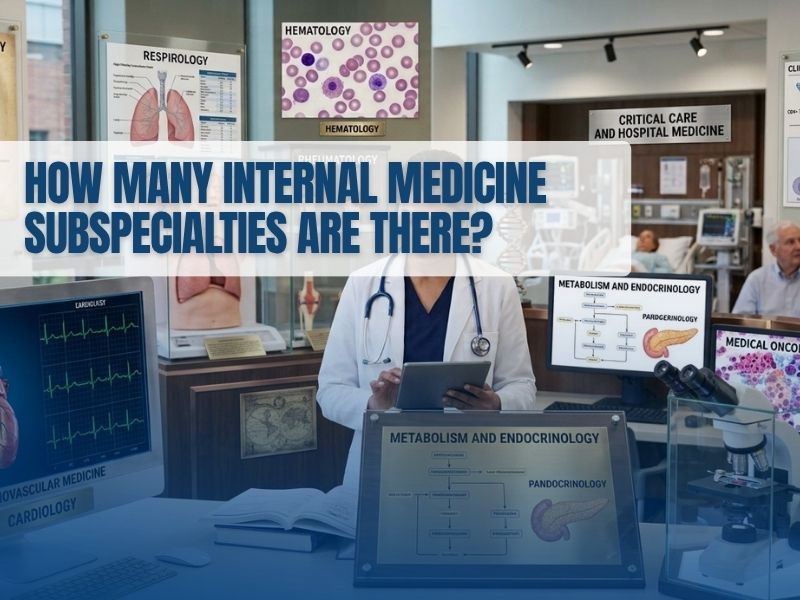
Understanding What Is General Internal Medicine is important for patients, healthcare professionals, and organizations navigating today’s increasingly complex healthcare system. General internal medicine focuses on the prevention, diagnosis, and treatment of adult diseases across a wide range of medical conditions.
An internal medicine doctor is trained to manage both acute illnesses and chronic diseases while coordinating long-term patient care. Unlike highly specialized physicians who focus on a single organ system, internists often take a broader and more comprehensive approach to adult healthcare.
As healthcare systems continue evolving, the demand for physicians trained in general internal medicine continues to grow. Healthcare consulting professionals frequently emphasize the value of internists because they help improve continuity of care, reduce unnecessary hospital admissions, and support multidisciplinary healthcare systems.
At the same time, general internal medicine also faces several challenges including physician burnout, increasing patient complexity, and administrative pressure. Understanding both the advantages and limitations of this specialty provides a clearer view of its role in modern healthcare.
What Is General Internal Medicine?
What Is General Internal Medicine refers to the medical specialty focused on adult healthcare, particularly the prevention, diagnosis, and treatment of complex medical conditions.
Internists are often considered experts in adult medicine because they manage patients with multiple chronic illnesses and coordinate care between specialists when necessary.
Many people ask what an internist doctor does. An internist evaluates symptoms, orders diagnostic testing, develops treatment plans, manages chronic diseases, and helps prevent future health complications.
Unlike family medicine physicians who treat patients across all age groups, internal medicine doctors focus specifically on adult patients. Their training prepares them to handle complicated medical cases involving multiple organ systems and overlapping health conditions.
Healthcare consulting experts often note that internists play a critical role in improving healthcare efficiency because they provide comprehensive medical management across different stages of adult care.
What Procedures Do Internal Medicine Doctors Do?

Patients commonly ask what procedures do internal medicine doctors do in daily clinical practice.
An internal medicine doctor performs a variety of diagnostic and medical procedures depending on their practice setting and subspecialty focus.
Common procedures may include:
- Physical examinations
- Blood pressure management
- Chronic disease monitoring
- Electrocardiograms
- Joint injections
- Preventive screenings
- Laboratory interpretation
- Medication management
- Coordination of specialist referrals
Some internists working in hospital settings may also manage critically ill patients, interpret imaging studies, and oversee inpatient treatment plans.
In addition to procedures, internists often spend significant time evaluating complex symptoms and managing long-term conditions such as diabetes, hypertension, heart disease, and respiratory illnesses.
A medical consultant may also support healthcare systems by helping improve workflow efficiency and patient care coordination within internal medicine departments.
Advantages of General Internal Medicine
One of the biggest advantages of understanding What Is General Internal Medicine is recognizing its broad impact on adult healthcare systems.
Comprehensive Patient Care
An internal medicine doctor is trained to manage multiple conditions simultaneously. This allows patients to receive coordinated care rather than fragmented treatment across multiple providers.
Strong Focus on Chronic Disease Management
Internists are highly experienced in managing chronic illnesses such as:
- Diabetes
- Hypertension
- Kidney disease
- Heart disease
- Respiratory disorders
This long-term management helps improve patient outcomes and reduce complications.
Preventive Healthcare
General internal medicine emphasizes prevention through regular screenings, lifestyle counseling, and early detection of disease.
Coordination Between Specialists
Internists often act as the central physician coordinating communication between specialists, ensuring that treatment plans remain organized and patient-centered.
Healthcare consulting professionals frequently highlight that this coordination improves healthcare efficiency and reduces duplication of services.
Common Challenges in General Internal Medicine

Despite its benefits, What Is General Internal Medicine also involves several ongoing challenges.
Increasing Patient Complexity
Patients today often present with multiple chronic illnesses, mental health concerns, and age-related conditions simultaneously. Managing these overlapping issues requires extensive clinical judgment and time.
Administrative Burden
Documentation requirements, electronic medical records, and insurance processes create significant administrative pressure for physicians.
Physician Burnout
High patient volumes and demanding schedules contribute to burnout among many internal medicine doctors. Long hours and emotional stress can affect both physician wellbeing and healthcare delivery.
Workforce Shortages
Many healthcare systems face shortages of internists, particularly in underserved or rural communities. This increases pressure on existing physicians and can reduce patient access to care.
Healthcare consulting services are increasingly used to help organizations improve physician workflow, staffing strategies, and operational efficiency within internal medicine departments.
What Is an Internist Doctor Do in Different Healthcare Settings?

The role of an internal medicine doctor varies depending on the healthcare setting.
Hospital Medicine
Some internists work primarily in hospitals, managing admitted patients with serious or complex medical conditions.
Outpatient Clinics
Others focus on long-term outpatient care involving preventive medicine, chronic disease management, and regular follow-up appointments.
Academic Medicine
Many internists also participate in teaching, medical research, and healthcare innovation initiatives.
Critical Care and Specialized Medicine
Some physicians pursue additional fellowship training in areas such as cardiology, infectious disease, or critical care medicine.
A medical consultant network may include internists who contribute expertise to healthcare strategy, medical operations, and organizational leadership initiatives.
Role of Healthcare Consulting in Internal Medicine
Healthcare consulting has become increasingly important in supporting internal medicine departments and healthcare organizations.
A healthcare consultant may help with:
- Clinical workflow optimization
- Physician staffing strategies
- Quality improvement programs
- Healthcare compliance systems
- Patient care coordination
Healthcare consulting professionals also support hospitals in reducing inefficiencies and improving patient outcomes.
A medical consultant network can provide multidisciplinary expertise that strengthens healthcare operations across internal medicine services.
As healthcare systems become more data-driven and complex, healthcare consulting continues playing a larger role in improving operational and clinical performance.
Dr. Manveen Puri and Internal Medicine
A strong example of leadership within general internal medicine is MDconsultants partner Manveen Puri.
According to his profile at MDconsultants Profile, Dr. Puri is certified in Internal Medicine and Emergency Medicine while completing fellowship training in Critical Care Medicine at the University of Toronto.
His experience spans military medicine, emergency medicine, occupational medicine, and critical care. Dr. Puri has also contributed to healthcare leadership, physician entrepreneurship, and healthcare innovation through his work with MDconsultants and Medvisory.
This type of multidisciplinary background reflects how modern internal medicine physicians increasingly contribute beyond direct patient care into leadership, operational strategy, and healthcare consulting initiatives.
Healthcare consulting experts often point to physician leaders like Dr. Puri as examples of how internists can help shape healthcare systems through both clinical expertise and organizational leadership.
Future of General Internal Medicine
The future of What Is General Internal Medicine will likely involve increased use of technology, interdisciplinary collaboration, and population health management.
Artificial intelligence, predictive analytics, and digital health systems are expected to support internists in managing complex patient populations more efficiently.
Healthcare consulting firms will also continue helping healthcare systems improve operational performance, physician wellbeing, and patient care delivery.
At the same time, human-centered care will remain essential. Patients still rely heavily on internists for communication, trust, and long-term medical guidance.
A medical consultant network may become even more valuable as healthcare systems seek integrated solutions that combine clinical expertise with operational strategy.
Conclusion
Understanding What Is General Internal Medicine provides important insight into one of the most essential specialties in adult healthcare. Internists play a major role in chronic disease management, preventive care, patient coordination, and complex medical decision making.
Although the field faces challenges such as burnout, administrative pressure, and workforce shortages, its value within modern healthcare systems remains significant.
With support from healthcare consulting professionals, healthcare consultants, and experienced medical consultant networks, healthcare organizations can strengthen internal medicine services while improving patient outcomes and operational efficiency.
For organizations and healthcare professionals seeking expert healthcare consulting support, MDconsultants provides access to experienced physician leaders and multidisciplinary expertise designed to strengthen healthcare performance and clinical excellence.