Table of Contents
- How long does it take to become a plastic surgeon in Canada?
- How much do Canadian plastic surgeons make?
- What’s the hardest surgeon to become?What a Plastic Surgeon Does
- Step-by-Step Path to Becoming a Plastic Surgeon in Canada
- Education and Training Requirements
- Residency and Certification in Canada
- Table of Comparison: Career Paths in Aesthetics
- Spotlight: MD Consultants Expert Guidance
- Key Takeaways
- Conclusion
Becoming a plastic surgeon in Canada is one of the most competitive and respected career paths in medicine. It requires years of academic study, clinical training, and surgical specialization. For many aspiring doctors, this field represents the perfect balance of science, precision, and artistry.
A plastic surgeon is responsible for performing procedures that enhance or restore physical appearance and function. These procedures range from cosmetic enhancements such as facelifts and rhinoplasty to reconstructive surgeries following trauma or medical conditions.
In Canada, the journey to becoming a plastic surgeon is structured, rigorous, and highly selective. Understanding the full pathway early on can help you prepare strategically and make informed decisions about your future in medicine.
How long does it take to become a plastic surgeon in Canada?
It typically takes 12 to 15 years after high school to become a fully licensed plastic surgeon in Canada. This includes completing an undergraduate degree, medical school, residency training, and certification exams.
How much do Canadian plastic surgeons make?
A plastic surgeon in Canada can earn between CAD $300,000 to $800,000+ annually. Income varies depending on experience, specialization, and whether the surgeon works in private practice or hospital settings.

What’s the hardest surgeon to become?
Plastic surgery is considered one of the most difficult specialties to enter due to its competitive residency programs, long training period, and the high level of technical and artistic skill required. It is often ranked alongside neurosurgery and cardiothoracic surgery as one of the most challenging medical careers.
What a Plastic Surgeon Does
A plastic surgeon performs highly specialized surgical procedures aimed at improving both function and appearance. This includes both cosmetic and reconstructive work.

Common procedures include:
- Rhinoplasty or nose reshaping
- Facelifts and neck lifts
- Liposuction and body contouring
- Breast augmentation and reconstruction
- Burn and trauma reconstruction
- Scar revision surgery
Plastic surgeons often work in hospitals, surgical centers, and private clinics. Their role requires not only surgical precision but also an understanding of aesthetics to ensure natural and balanced results.
Step-by-Step Path to Becoming a Plastic Surgeon in Canada
The journey to becoming a plastic surgeon in Canada follows a clear but demanding path.
1. Complete an Undergraduate Degree
Most students pursue a science-related degree such as biology or health sciences. Strong academic performance is essential for medical school admission.
2. Enter Medical School
You must complete a Doctor of Medicine (MD) program in Canada. This typically takes four years and includes both classroom learning and clinical rotations.
3. Gain Clinical Experience
During medical school, students complete hospital rotations that expose them to different specialties, including surgery.
4. Apply for Plastic Surgery Residency
After medical school, you must secure a residency position in plastic surgery. This is highly competitive and requires excellent grades, strong recommendations, and relevant experience.
Residency training usually lasts 5 to 6 years.
5. Become Certified
After residency, you must pass certification exams from the Royal College of Physicians and Surgeons of Canada to officially become a plastic surgeon.
6. Optional Fellowship Training
Some surgeons pursue additional training in subspecialties such as cosmetic surgery or reconstructive surgery to further enhance their expertise.
Education and Training Requirements
Becoming a plastic surgeon requires a long-term commitment to education and skill development.
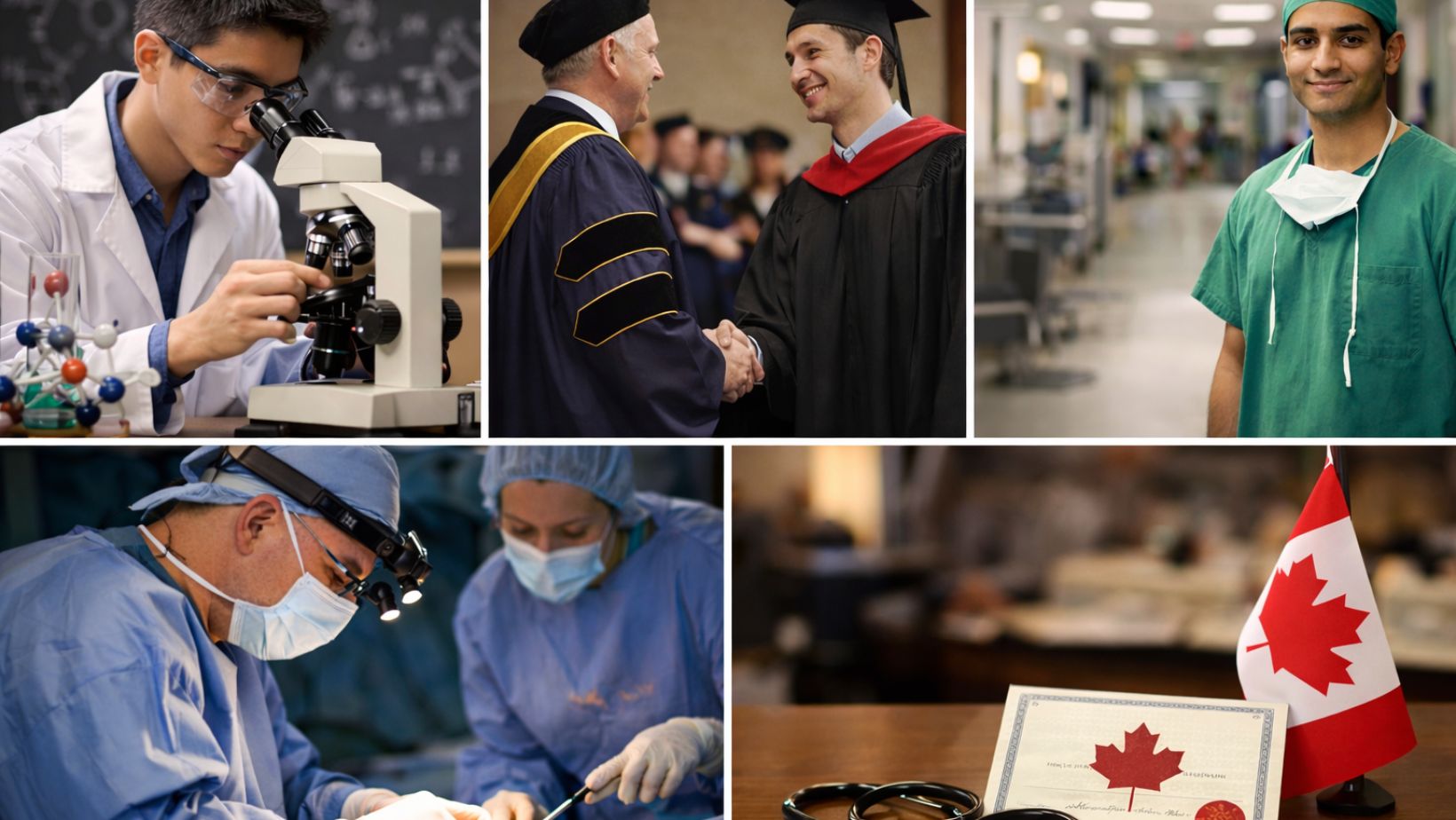
Key requirements include:
- Strong academic background in science
- Completion of medical school
- Competitive acceptance into residency
- Extensive surgical training under supervision
- National certification in Canada
The entire process typically takes over a decade, making it one of the most demanding medical careers.
Residency and Certification in Canada
Plastic surgery residency in Canada is one of the most competitive programs available. Only a limited number of positions are offered each year, making selection highly selective.
During residency, future plastic surgeons train in:
- Reconstructive surgery techniques
- Cosmetic surgical procedures
- Trauma and emergency care
- Microsurgery and advanced surgical methods
Certification ensures that every plastic surgeon meets strict national standards for safety, ethics, and expertise.
Table of Comparison: Career Paths in Aesthetics
| Career Path | Plastic Surgeon | Dermatologist | Healthcare Consulting |
| Main Role | Surgical cosmetic and reconstructive procedures | Skin and non-surgical treatments | Medical advisory and healthcare strategy |
| Focus | Structural transformation | Skin health and rejuvenation | Consulting and patient guidance |
| Procedures | Rhinoplasty, facelifts, liposuction, reconstruction | Botox, fillers, lasers, peels | Treatment planning and clinic support |
| Training Length | 12–15 years | 7–11 years | Varies |
| Invasiveness | High | Low | None |
| Results | Long-term or permanent | Temporary | Indirect impact |
MD Consultants Expert Guidance
MD Consultants plays an important role in supporting individuals exploring careers in medicine, aesthetics, and healthcare systems. Through expert insight and healthcare consulting, they help bridge the gap between education and real-world practice.
Jiayi Hu – MD Consultants Profile
Jiayi Hu contributes valuable expertise in healthcare consulting and career guidance, helping aspiring professionals understand the complexities of medical careers, including becoming a plastic surgeon.
Through MD Consultants, aspiring doctors can gain clarity on training pathways, career expectations, and opportunities within the healthcare industry.
Key Takeaways
- Becoming a plastic surgeon in Canada takes 12 to 15 years
- It is one of the most competitive medical specialties
- Plastic surgeons perform both cosmetic and reconstructive procedures
- Salaries can range from CAD $300K to $800K+
- Strong academic performance is essential for success
- MD Consultants provides guidance for healthcare career planning
- Jiayi Hu offers expert insight into healthcare consulting and career development
Conclusion
A career as a plastic surgeon in Canada is both challenging and rewarding. It requires dedication, discipline, and a long-term commitment to excellence in medicine.
This path is ideal for individuals who are passionate about surgery, detail-oriented, and driven to make a meaningful impact on patients’ lives. While the journey is demanding, the rewards include professional recognition, financial stability, and the ability to transform lives.
MD Consultants supports aspiring professionals by providing expert guidance in healthcare consulting and career development. With insights from professionals like Jiayi Hu, MD Consultants helps future doctors navigate the complexities of becoming a plastic surgeon and build a clear path toward success.