A plastic surgeon in Canada is a physician who has completed a recognized postgraduate residency in plastic surgery and holds certification from the Royal College of Physicians and Surgeons of Canada, making them a board certified specialist accountable to rigorous national training standards. A cosmetic surgeon, by contrast, is not a recognized medical specialty in Canada. Any licensed physician, regardless of their underlying training or specialty, can legally call themselves a cosmetic surgeon and perform cosmetic procedures. This means that when you are choosing between a plastic surgeon and someone advertising cosmetic surgery services, you may be comparing a highly trained specialist with five or more years of surgical residency to a physician whose cosmetic training may consist of weekend workshops and short courses. Understanding this distinction before you book a consultation with any surgeon could be one of the most important things you do for your safety.
If you are researching this question because you are considering a procedure, you are not alone in finding the terminology confusing. The questions that come up most often on this topic include: Is a cosmetic surgeon the same as a plastic surgeon? Who is safer to perform surgery on my face or body? What qualifications should I look for before choosing a surgeon? Does it matter whether my surgeon is board certified? What procedures can only a plastic surgeon legally perform? This guide answers all of these directly, so you can walk into any surgical consultation with clarity about what you are asking and confidence in what you are evaluating.
What Does a Plastic Surgeon Actually Do
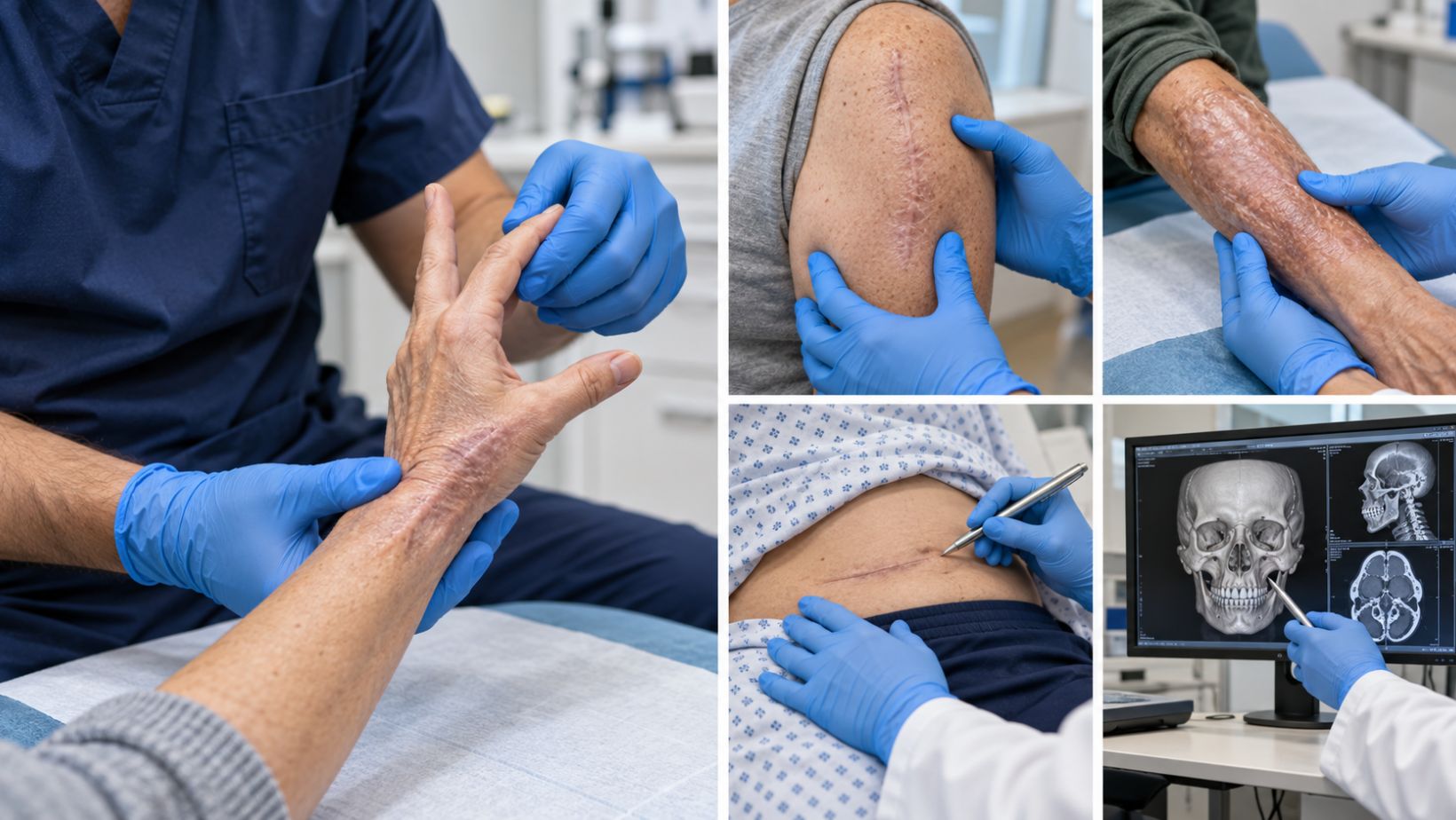
A plastic surgeon is trained to address form and function across a wide spectrum of conditions affecting the skin, soft tissue, bones of the face and hand, and the reconstruction of body structures affected by trauma, cancer, congenital abnormalities, or burns. The breadth of what a plastic surgeon is trained to do is often underappreciated by patients who associate the specialty primarily with aesthetic procedures.
A Royal College certified plastic surgeon in Canada completes four years of medical school followed by a five year plastic surgery residency, during which they rotate through reconstructive surgery, aesthetic surgery, hand surgery, burns, microsurgery, pediatric surgery, and craniofacial surgery. The residency culminates in a comprehensive written and oral examination before certification is granted. This means that a certified plastic surgeon has been assessed not only on their technical surgical skills but on their understanding of anatomy, wound healing, surgical complications, and the full range of reconstructive and aesthetic approaches across the entire body.
Reconstructive procedures performed by a plastic surgeon include breast reconstruction after mastectomy, facial reconstruction after cancer resection or trauma, skin graft coverage for burn injuries, cleft lip and palate repair, and hand surgery for tendon and nerve injuries. Aesthetic procedures include rhinoplasty, face lifts, eyelid surgery, breast augmentation and reduction, liposuction, and abdominoplasty. The same training, the same anatomical knowledge, and the same surgical judgment underpin both the reconstructive and the aesthetic work that a plastic surgeon performs.
In Canada, reconstructive plastic surgery is covered under provincial health insurance plans when it is medically necessary. Aesthetic procedures are generally not covered and are paid for privately. This distinction matters for understanding the incentive structures that different surgeons operate within and why some physicians without plastic surgery training have entered the cosmetic space.
What a Cosmetic Surgeon Is and Why the Title Matters
Here is the part of this conversation that no one in the cosmetic industry is eager to headline: in Canada, there are no regulatory requirements specific to calling yourself a cosmetic surgeon. A physician who completed a residency in family medicine, dermatology, ophthalmology, obstetrics, or any other specialty can legally offer and perform surgical cosmetic procedures and use the title cosmetic surgeon. Some of these physicians are highly skilled and have obtained meaningful additional training in cosmetic procedures. Others have not.
This is not a hypothetical concern. Health regulators in several Canadian provinces have raised patient safety concerns about physicians performing invasive cosmetic procedures outside hospital settings without the surgical training, facility standards, or emergency backup that the risk profile of those procedures warrants. The gap between what a board certified plastic surgeon brings to a procedure and what a physician with limited cosmetic specific training brings is not visible in a title or a before and after photo gallery. It shows up in complication management, in knowing when not to proceed, and in the ability to safely rescue a procedure that is not going as planned.
That said, the cosmetic surgery landscape is not uniformly unsafe. Many physicians who describe themselves as cosmetic surgeons have obtained fellowship training through recognized cosmetic surgery organizations, have extensive procedural experience, and practice within facility accreditation frameworks that provide meaningful safety oversight. The point is not that cosmetic surgeons are unsafe by definition. The point is that the title alone tells you very little about the physician’s training, and you cannot rely on it the way you can rely on the Royal College certification that a plastic surgeon carries.
How to Choose Between a Plastic Surgeon and a Cosmetic Surgeon

If you are considering an elective cosmetic procedure, here is the evaluation framework that patient safety advocates and the Canadian Society of Plastic Surgeons consistently recommend.
Start with certification. A plastic surgeon certified by the Royal College of Physicians and Surgeons of Canada carries the designation FRCSC, which stands for Fellow of the Royal College of Surgeons of Canada. This certification tells you that the physician completed a recognized Canadian plastic surgery residency and passed comprehensive national examinations. You can verify Royal College certification through the RCPSC’s public registry. If a physician cannot point to RCPSC certification in plastic surgery, you are not dealing with a board certified plastic surgeon, and you need to evaluate their specific training and credentials more carefully before proceeding.
Ask about the facility. Elective cosmetic surgery carries real surgical risks, including anesthesia complications, bleeding, infection, and the need for emergency intervention. A board certified plastic surgeon typically operates in accredited surgical facilities with appropriate anesthesia providers and safety protocols. If a cosmetic procedure is being offered in a setting that does not have the infrastructure to manage a surgical complication, that is a significant risk factor regardless of the surgeon’s title or marketing materials.
Ask specifically about complication rates and how they are managed. Every surgeon has complications. A surgeon who cannot discuss their complication rates candidly, who provides only before and after photos without discussing risk, or who discourages you from seeking a second opinion before proceeding is signaling that their patient communication practices may not meet the standard you should expect.
Ask about the consultation. A qualified plastic surgeon will conduct a thorough consultation that includes your full medical history, a discussion of realistic outcomes, an honest assessment of whether you are an appropriate candidate for the procedure, and a clear explanation of what recovery involves. A consultation that feels more like a sales interaction than a clinical evaluation is a warning sign.
Why This Distinction Matters Beyond Individual Patient Decisions
The difference between a plastic surgeon and an unregulated cosmetic surgeon is not only a patient safety issue. It is a healthcare system issue that has prompted ongoing regulatory attention in multiple Canadian provinces and that intersects with the broader questions of how healthcare quality and safety are maintained in private, fee for service clinical environments.
A medical consultant advising on cosmetic surgery program design, patient safety standards, or facility accreditation in a private surgical setting needs to understand this regulatory distinction in order to identify where quality and safety gaps exist and what credentialing standards should apply to physicians performing invasive procedures.
A healthcare consultant working with a health organization, an insurer, or a regulatory body on cosmetic surgery policy needs to understand how the absence of a recognized “cosmetic surgeon” specialty creates accountability gaps that formal certification frameworks for board certified plastic surgeon practitioners do not.
Healthcare consulting in the private surgical space is an area of growing importance as the volume of elective cosmetic procedures continues to expand in Canada and as provincial regulators respond to patient harm incidents that arise when procedures are performed outside adequate safety frameworks. MDconsultants has explored the broader intersection of physician expertise and legal accountability in their published guide on What Does a Medicolegal Consultant Do, which is worth reading for context on how surgical complication cases involving cosmetic procedures are evaluated in legal and regulatory proceedings.
Finding the Right Surgical Expertise Through a Medical Consultant Network
Patients and organizations that need access to expert clinical opinion on cosmetic or plastic surgery matters, whether for a second opinion before a procedure, a review of a complication, or guidance on establishing quality standards for a surgical facility, benefit from access to a medical consultant network that includes board certified plastic surgeon professionals with both clinical and advisory experience.
These networks provide the kind of structured, credential-verified access to surgical expertise that individual Google searches and marketing-heavy clinic websites cannot replicate.
For authoritative information on how to verify a plastic surgeon’s credentials, what questions to ask before a procedure, and how to find a Royal College certified plastic surgeon in Canada, the Canadian Society of Plastic Surgeons is the national professional body and the most reliable patient-facing resource for this information.
Final Thoughts
When the question is whether a plastic surgeon or a cosmetic surgeon is better for your needs, the most honest answer is that board certified status from the Royal College of Physicians and Surgeons of Canada is the most meaningful quality marker available to Canadian patients evaluating surgical credentials. A Royal College certified plastic surgeon has completed the most rigorous and standardized training pathway available in Canada for surgical work on soft tissue, skin, and the structures of the face and body.
That does not mean every physician performing cosmetic procedures without a plastic surgery residency is unqualified for the specific procedures they offer. But it does mean that the word “cosmetic surgeon” tells you almost nothing on its own, while the designation FRCSC next to a plastic surgeon’s name tells you a great deal.
Ask the questions. Verify the credentials. And give the choice of surgeon for any invasive elective procedure the level of scrutiny it deserves.
If you are looking to connect with experienced medical consultants or explore physician-led consulting support for surgical program design and quality standards, MDconsultants offers a trusted network of medical professionals ready to help.