

Large gatherings whether concerts, sports events, festivals, or community celebrations are central to social life. Yet with the excitement of such events comes inherent risk. Crowd density, environmental factors, and unexpected medical emergencies can quickly escalate into serious safety threats. In this context, event medical services are not just a regulatory requirement they are a critical component of comprehensive risk management. By ensuring prompt and competent medical response, organizers protect attendees, staff, and the public while also reducing liability.
What is the role of risk management in healthcare?
Risk management in healthcare identifies, assesses, and mitigates potential hazards to patients, staff, and the organization, ensuring safety, compliance, and high-quality care.
Why is risk management important in event management?
Risk management in event management helps prevent accidents, reduce liabilities, and ensure the safety and success of an event by anticipating and planning for potential problems.
What is the role of the emergency medical services?
Emergency medical services (EMS) provide immediate medical care, stabilize patients in critical situations, and transport them safely to healthcare facilities for further treatment.
What are the two types of events in risk management?
The two types of events in risk management are planned events (like conferences or festivals) and unplanned events (such as natural disasters or emergencies).
Event medical services encompass a broad spectrum of planning and operational responsibilities. This includes staffing first aid teams, deploying mobile medical units, arranging on-site emergency equipment, coordinating with local hospitals, and developing emergency response protocols. Beyond responding to injuries, event medical services contribute to preventative measures, identifying potential hazards, and implementing safety practices to mitigate risks before they escalate. This proactive approach is increasingly recognized as essential for responsible event management.
Understanding the Scope of Risk in Events
Every event carries unique risks depending on size, location, demographic, and nature of activities. Outdoor festivals, for example, must consider weather hazards, terrain-related injuries, and alcohol-related incidents. Sporting events may face risks associated with physical contact, heat exhaustion, or sudden cardiac events. Even smaller gatherings can experience emergencies, from allergic reactions to falls or pre-existing health issues. The diversity of potential medical emergencies necessitates a tailored approach to event medical services.
Event organizers must also consider legal and reputational risks. Failing to provide adequate medical services can result in lawsuits, fines, and damage to public trust. Insurance policies often require the presence of qualified medical personnel to validate coverage, making proper planning not just a moral obligation but also a contractual necessity. By investing in robust medical services, event organizers demonstrate a commitment to attendee safety while also managing financial and legal exposures.
Preventative Planning Through Medical Services
One of the key contributions of event medical services to risk management is prevention. Medical professionals can conduct site assessments to identify potential hazards such as uneven terrain, overcrowded spaces, or insufficient access points for emergency vehicles. They also provide guidance on hydration stations, shaded areas, and signage to reduce heat-related illnesses or accidental injuries.
In addition, preventative measures extend to attendee education. Briefing staff and volunteers on recognizing signs of medical distress, emergency communication protocols, and basic first aid empowers teams to act quickly. Clear communication channels between event staff, security, and medical teams enhance situational awareness and ensure that risks are mitigated before they become critical incidents.
The integration of preventive health strategies aligns closely with the broader principles advocated by expert md consultants. Their experience demonstrates that proactively planning for health risks significantly reduces incident rates while enhancing the overall safety culture. By applying similar risk assessment and preventive frameworks, event organizers can improve outcomes and protect both the public and their organization’s reputation.
The Critical Role of On-Site Medical Teams
On-site medical teams form the backbone of event safety. Staffed by trained professionals such as paramedics, nurses, and physicians, these teams are prepared to address a wide array of emergencies from minor injuries to life-threatening conditions. Rapid response capabilities are essential, as the window to prevent escalation is often short.

For example, at large sporting events, sudden cardiac arrest or severe dehydration can occur without warning. An on-site medical team equipped with automated external defibrillators (AEDs), oxygen, and other emergency supplies can stabilize patients before hospital transfer. Similarly, for concerts and festivals, teams prepared to handle crowd-related injuries or substance-related incidents can prevent minor incidents from becoming catastrophic. This level of preparedness not only saves lives but also reassures attendees, promoting a safe and enjoyable environment.
Moreover, on-site medical services often work closely with local emergency medical systems. Coordination with hospitals, ambulance services, and emergency dispatch ensures seamless patient transfer when necessary. Standardized communication protocols and pre-arranged transportation routes can make the difference between timely care and delayed intervention, reinforcing the importance of professional medical oversight.
Integrating Medical Services Into Risk Management Strategy
Medical services should not operate in isolation; they are most effective when integrated into a broader risk management framework. This includes aligning medical preparedness with security measures, crowd control plans, and contingency protocols. Event risk assessments should factor in medical staffing levels, emergency equipment availability, and potential mass casualty scenarios.
A critical component of this integration is scenario planning. By simulating potential emergencies, organizers can evaluate the effectiveness of their response plans and identify gaps in resources or training. These exercises improve coordination between teams, clarify roles and responsibilities, and enhance decision-making under pressure. They also create a culture of continuous improvement, where lessons learned from past events inform future planning.
For complex events or recurring gatherings, consulting with professional medical advisors can enhance preparedness. A medical consultant can provide insights into staffing models, best practices, and compliance requirements. Their expertise ensures that medical planning aligns with both legal obligations and evidence-based standards, reducing organizational risk and increasing confidence in safety protocols.
Leveraging Technology in Event Medical Services
Technological innovations have transformed how medical services operate at events. Wearable health monitors, real-time communication platforms, and electronic patient records enable rapid assessment and documentation of incidents. Mobile apps can allow attendees to alert medical teams discreetly, facilitating immediate intervention without creating panic.
Moreover, predictive analytics can identify high-risk zones within an event space, enabling staff to allocate resources efficiently. For example, monitoring crowd density or heat exposure trends in real time helps prevent injuries before they occur. Integrating technology into medical services enhances situational awareness, improves response times, and supports a more data-driven approach to event safety.
By combining professional expertise with technological solutions, organizers can achieve a level of preparedness that far surpasses traditional methods. Such integration ensures that medical teams are not merely reactive, but proactive partners in maintaining safety.
Training and Preparedness for Event Staff
Medical services are only as effective as the personnel they support. Comprehensive training for event staff and volunteers is a critical component of risk management. Instruction in basic first aid, CPR, emergency communication, and evacuation procedures ensures that everyone can act effectively in a crisis.
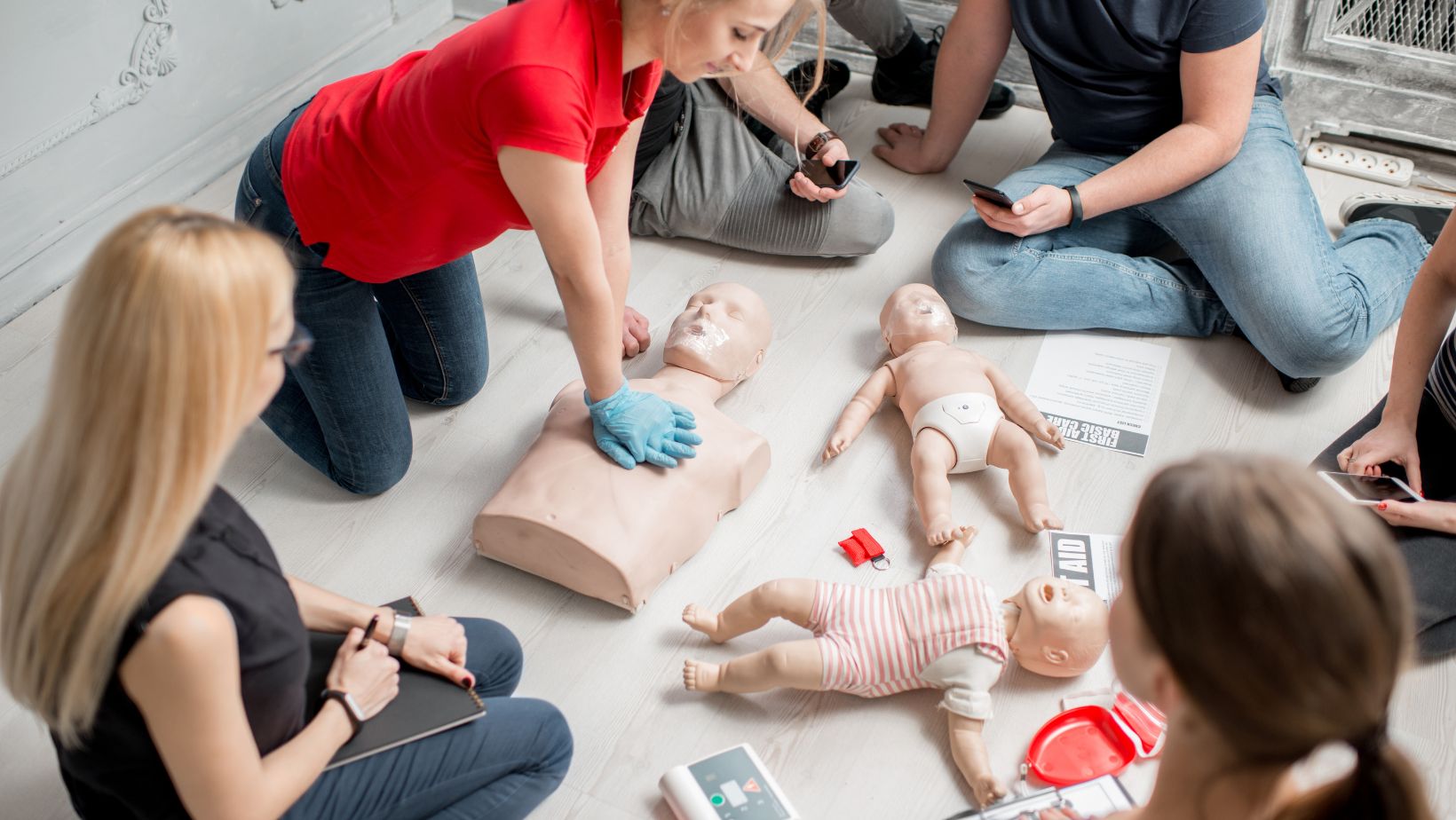
Training also fosters confidence. Staff who understand how to respond to emergencies feel empowered, reducing panic and improving overall incident management. Periodic drills and refresher courses maintain readiness, particularly for recurring events or large-scale gatherings. A well-trained team acts as a force multiplier, ensuring that medical services are applied efficiently and effectively when needed most.
Preventive health principles extend to staff wellbeing as well. Fatigue, stress, and inadequate breaks can compromise response capability. Event organizers must incorporate measures to maintain staff health and performance, recognizing that protecting the caregivers directly influences public safety.
Post-Event Review and Continuous Improvement
After an event concludes, it is essential to evaluate medical services and overall safety performance. Incident reports, response times, and feedback from staff and attendees provide valuable insights. These reviews identify successes, highlight areas for improvement, and inform planning for future events.
Engaging a medical consulting professional for post-event analysis can further enhance learning. Consultants offer objective assessment, compare practices with industry standards, and recommend actionable improvements. Continuous refinement ensures that each event benefits from the lessons of the last, creating a cycle of improvement that strengthens both safety and organizational reputation.
The Broader Impact of Event Medical Services
Effective event medical services extend benefits beyond the immediate safety of attendees. They contribute to public confidence, community trust, and regulatory compliance. A reputation for safety can enhance attendance, foster positive media coverage, and support long-term success for event organizers. Furthermore, they set a standard for risk management in the broader entertainment and hospitality industries, influencing how public safety is prioritized across sectors.
Investing in preventive medical strategies also demonstrates social responsibility. Attendees, sponsors, and partners are reassured that events are thoughtfully managed, creating goodwill and strengthening relationships. In this sense, medical services are both a practical necessity and a strategic asset for organizations seeking sustainability and excellence.
Conclusion
Event medical services are indispensable to modern risk management and public safety. By combining preventive planning, on-site expertise, technology, and staff training, organizers can anticipate hazards, respond effectively to emergencies, and safeguard both attendees and reputation. Integrating medical services into a broader risk management framework transforms them from a regulatory checkbox into a strategic advantage. For event organizers seeking expert guidance on building comprehensive safety strategies, MDconsultants offers the knowledge and experience to elevate both planning and execution. Discover how their insights can help your next event operate with confidence, precision, and a proactive approach to safety at mdconsultants.ca.
Related Reading: Barriers to Telehealth Implementation

