
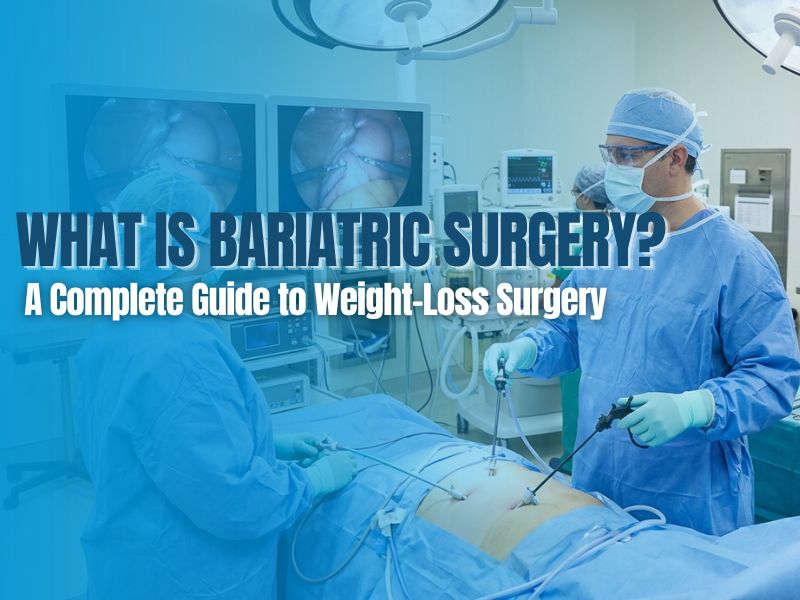
What is bariatric surgery? It is a category of surgical procedures performed on the stomach and digestive system to help individuals with severe obesity achieve significant, sustained weight loss when other approaches such as diet, exercise, and medication have not produced adequate results. Bariatric surgery works by reducing stomach capacity, altering the digestive process, or both, leading to reduced caloric intake and, in many cases, meaningful improvements in obesity-related conditions such as type 2 diabetes, hypertension, and sleep apnea.
Patients researching this topic often have a set of related questions that reflect genuine uncertainty about a complex and life-changing decision. Some of the most commonly asked questions include: Who qualifies for bariatric surgery? Is it safe? What is the recovery process like? Does bariatric surgery actually work long-term? This guide addresses these questions directly and provides a clear, evidence-based overview of what patients need to understand before exploring surgical weight-loss options.
What Does Bariatric Mean

The word bariatric comes from the Greek roots baros, meaning weight, and iatrikos, meaning relating to medicine or a physician. In a medical context, bariatric refers to the branch of medicine concerned with the causes, prevention, and treatment of obesity. The term is applied broadly across both surgical and non-surgical approaches to obesity management, though it is most commonly associated with surgical interventions in everyday usage.
Understanding what bariatric means in a clinical sense helps patients appreciate that bariatric surgery is not simply a cosmetic procedure or a shortcut to weight loss. It is a medically indicated intervention for individuals whose body weight poses a serious, documented risk to their health and whose obesity has not responded adequately to structured non-surgical treatment programs. The field of bariatric medicine is grounded in an understanding of obesity as a chronic, complex disease rather than a matter of personal lifestyle choice alone.
In Canada, the medical specialty most closely associated with obesity management is recognized through bodies such as the American Board of Obesity Medicine, which certifies physicians who have demonstrated specialized knowledge in the clinical management of obesity, including both surgical and non-surgical treatment pathways.
What Bariatric Surgery Actually Involves
Bariatric surgery encompasses several distinct procedures, each with a different mechanism of action, risk profile, and long-term outcome. The most commonly performed procedures in Canada include sleeve gastrectomy, Roux-en-Y gastric bypass, and adjustable gastric banding, though gastric bypass and sleeve gastrectomy have become the dominant procedures in current practice.
In a sleeve gastrectomy, approximately seventy to eighty percent of the stomach is removed, creating a narrow, tube-shaped stomach that significantly limits food intake and reduces levels of ghrelin, the hormone responsible for stimulating hunger. This procedure is irreversible and has become the most widely performed bariatric procedure globally due to its relative simplicity, strong weight-loss outcomes, and lower complication rate compared to gastric bypass.
Roux-en-Y gastric bypass involves creating a small stomach pouch and rerouting a section of the small intestine to connect directly to that pouch. This reduces both the amount of food the stomach can hold and the absorption of calories and nutrients in the small intestine. Gastric bypass is considered the gold standard bariatric surgery for patients with type 2 diabetes due to its potent effects on blood glucose regulation, which often occur rapidly and independently of weight loss.
Both procedures are performed laparoscopically in most cases, meaning through small incisions using a camera and specialized instruments, which reduces recovery time, post-operative pain, and the risk of surgical complications compared to open surgery.
Who Qualifies for Bariatric Surgery
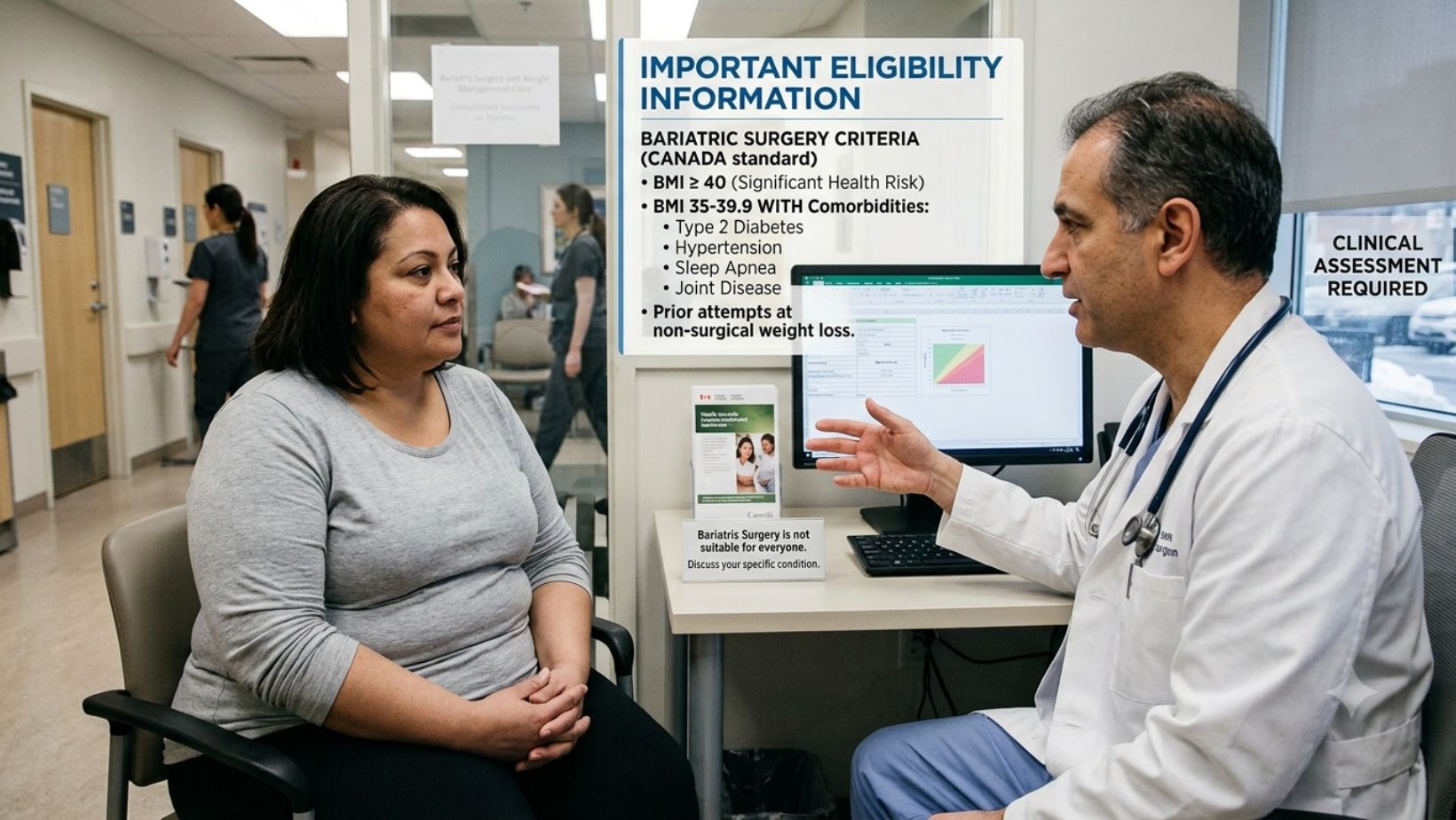
Bariatric surgery is not appropriate for every individual struggling with weight management. Clinical eligibility is determined by established criteria that reflect the level of health risk associated with a patient’s body weight and the adequacy of previous non-surgical treatment attempts.
In Canada, the standard eligibility criteria for bariatric surgery include a body mass index of forty or above, or a body mass index of thirty-five or above combined with at least one significant obesity-related health condition such as type 2 diabetes, hypertension, obstructive sleep apnea, or joint disease. Patients must also demonstrate that they have made serious efforts to manage their weight through structured lifestyle programs prior to pursuing a surgical option.
A comprehensive pre-operative assessment is required before any bariatric surgery is performed. This typically includes evaluation by a multidisciplinary team that may involve a surgeon, an internist or obesity medicine specialist, a dietitian, a psychologist, and in some cases additional specialists depending on the patient’s health history. The purpose of this assessment is to confirm medical eligibility, identify and address any factors that might increase surgical risk, and ensure that the patient has realistic expectations about the outcomes and lifestyle changes required after surgery.
Long-Term Outcomes and What Patients Should Expect
Bariatric surgery produces significant and sustained weight loss for the majority of patients who undergo it, along with meaningful improvements in many obesity-related conditions. Research has consistently demonstrated that gastric bypass and sleeve gastrectomy result in average excess weight loss of fifty to seventy percent over the first two years following surgery, with many patients maintaining substantial weight loss over the long term when they adhere to recommended dietary and lifestyle changes.
The metabolic benefits of bariatric surgery extend well beyond weight loss. Studies have shown that type 2 diabetes goes into remission in a significant proportion of patients following gastric bypass, often within days of surgery and before meaningful weight loss has occurred. Improvements in blood pressure, cholesterol levels, sleep apnea, and joint pain are also commonly reported.
However, bariatric surgery is not without risk, and long-term success requires a sustained commitment to dietary modification, physical activity, nutritional supplementation, and regular follow-up with a healthcare team. Patients who do not maintain these lifestyle changes may experience weight gain or nutritional deficiencies over time.
How to Find a Bariatric Surgeon
For patients who have determined that bariatric surgery may be appropriate for their situation, finding a qualified and experienced surgeon is one of the most important steps in the process. In Canada, bariatric surgeons are general surgeons who have completed additional fellowship training specifically in bariatric and minimally invasive surgery, and many hold certification through the American Society for Metabolic and Bariatric Surgery.
When evaluating a potential bariatric surgeon, patients should consider the surgeon’s training, the volume of procedures they perform annually, the outcomes data associated with their practice, and whether they practice within a program that offers comprehensive multidisciplinary support before and after surgery. High-volume programs with structured multidisciplinary teams are consistently associated with better outcomes and lower complication rates in the bariatric surgery literature.
Referrals through a family physician or specialist are the most common pathway to accessing bariatric surgery in Canada’s publicly funded system, though wait times can be lengthy in many provinces. Patients may also access privately funded programs in some provinces, which can offer shorter wait times and more flexible scheduling for those in a position to pursue that option.
An example of the kind of clinical and strategic expertise available in this field can be found through physicians such as Dr. Karim Ramji, MD, MBA, FRCSC, ABOM, a fellowship-trained bariatric surgeon based in Toronto who trained at the University of Toronto and McMaster University. Dr. Ramji is recognized for pioneering a same-day discharge program for bariatric patients at St. Joseph’s Healthcare Hamilton and for his work in developing evidence-based perioperative care protocols. His profile is available through MDconsultants, where physicians with specialized clinical expertise connect with healthcare organizations and patients seeking informed guidance.
The Role of a Medical Consultant in Bariatric Care Decisions
For patients navigating a complex decision such as bariatric surgery, working with a medical consultant who understands obesity medicine and surgical options can provide valuable, individualized guidance. A medical consultant can help patients interpret their clinical eligibility, evaluate the differences between available procedures, and understand what to expect throughout the pre-operative and post-operative process.
Healthcare Consulting and Bariatric Program Development
On an organizational level, healthcare consulting plays an increasingly important role in helping hospitals and health systems develop or optimize bariatric surgery programs. A healthcare consultant with experience in surgical program design can advise on patient selection criteria, multidisciplinary team structure, outcome measurement, and the implementation of evidence-based protocols that improve safety and efficiency across a bariatric program.
For more information on bariatric surgery outcomes and program standards in Canada, the Canadian Association of Bariatric Physicians and Surgeons provides clinical resources and guidance on best practices in obesity management and surgical care.
Medical Consultant Networks and Bariatric Surgery Access
A medical consultant network that includes bariatric surgeons and obesity medicine specialists can be a valuable resource for patients and organizations seeking to connect with experienced clinical expertise in this field. Whether a patient is looking for guidance on surgical options or a healthcare organization is seeking to expand its bariatric services, access to a network of specialized physicians supports better-informed decisions at every level.
Final Thoughts
Bariatric surgery is a clinically validated, evidence-based treatment for severe obesity that produces meaningful and sustained improvements in weight, metabolic health, and quality of life for appropriately selected patients. Understanding what bariatric surgery involves, who qualifies, and how to find the right surgical team is an essential starting point for anyone considering this pathway.
If you are looking to connect with experienced bariatric surgeons or explore physician-led consulting support for weight-loss surgery decisions, MDconsultants offers a trusted network of medical professionals ready to help.