

Physical medicine, formally called physical medicine and rehabilitation (PM&R) or physiatry, is a medical specialty focused on restoring function. Instead of asking only what disease a patient has, a physiatrist asks what the patient can no longer do and how to help them do it again. The specialty covers people of all ages with conditions affecting the brain, spinal cord, nerves, muscles and bones, and it relies on nonsurgical treatment and a coordinated rehabilitation team.
If you have searched questions like “What does a physiatrist do?” or “Is physical medicine the same as physical therapy?“, this guide answers them with a Canadian lens.
What Is Physical Medicine and Rehabilitation?
Physical medicine and rehabilitation is the branch of medicine concerned with the diagnosis, medical management and rehabilitation of people of all ages with neuromusculoskeletal disorders and related disabilities. Physicians trained in this specialty are called physiatrists, pronounced fizz eye uh trists.
The goal is function, independence and quality of life. A physiatrist improves a person’s abilities through medical treatment and by organizing a rehabilitation program that can include physical, occupational and speech therapy, psychological and social support, prosthetics, orthotics and vocational services.
What Does a Physiatrist Treat?
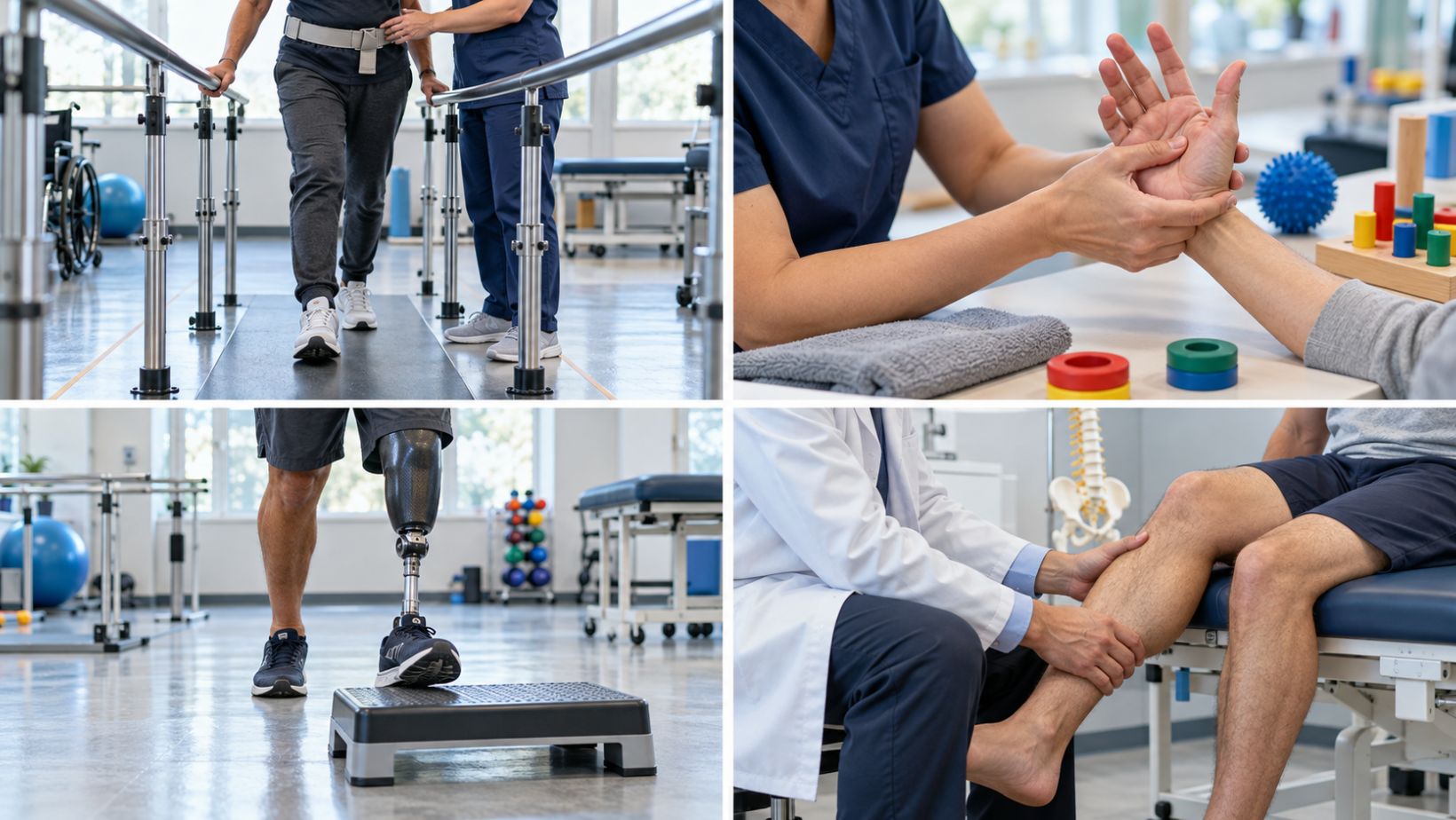
Physiatrists care for people whose daily function has been affected by injury, illness or a medical condition. Typical conditions include stroke, spinal cord injury, traumatic brain injury, major trauma, amputation, cardiopulmonary dysfunction, severe medical illness and a wide range of musculoskeletal problems such as back and joint pain.
Many physiatrists also work in subspecialty areas. Examples include neurorehabilitation and spasticity management, pediatric rehabilitation for congenital and childhood onset disabilities, sports medicine and electromyography, which tests nerve and muscle function.
What Happens at a Physiatry Appointment?
A first visit usually includes a review of your medical history, a thorough physical examination and a conversation about your symptoms and goals. The physiatrist may order imaging or other tests, then build a treatment plan around your function.
That plan often uses nonsurgical tools such as exercise programs, bracing, medication, injections and referral to therapists. In Canada, seeing a physiatrist generally requires a referral from a family doctor or nurse practitioner, although the exact process varies by health authority and program.
Physiatrist vs Physiotherapist: What Is the Difference?
The two roles work closely together, but they are not the same.
| Feature | Physiatrist | Physiotherapist |
| Training | Medical doctor with a five year residency | Rehabilitation professional with a physiotherapy degree |
| Main role | Diagnoses, orders tests, prescribes treatment, leads the plan | Delivers movement, strength and function therapy |
| Medical management | Yes, including medication and procedures | No, focuses on therapy |
| Team role | Often leads the rehabilitation team | Core member of the rehabilitation team |
A physiatrist often leads a team that may include physiotherapists, occupational therapists, speech therapists and social workers, all working together to support a patient’s recovery. So physical medicine is not the same as physical therapy. Physical therapy is one of the tools that a physiatrist may prescribe and coordinate.
How Physiatrists Train in Canada
In Canada, physical medicine and rehabilitation is a Royal College specialty, and applicants enter through the Canadian Resident Matching Service (CaRMS). Royal College certification requires successful completion of a five year accredited residency, a certification examination and a scholarly research project. Core training includes 36 months in physical medicine and rehabilitation itself, with rotations in areas such as stroke, spinal cord medicine, brain injury, amputation rehabilitation, musculoskeletal rehabilitation, neuromuscular disease and pediatric rehabilitation.
The Royal College also allows some credit for earlier training. Candidates who first completed one year in an accredited internal medicine program, or two years in a family medicine program, may receive credit toward the residency requirements on the program director’s recommendation.
Why Physical Medicine Matters for Healthcare Organizations
Demand for rehabilitation is rising. As the Canadian population ages, academic programs expect the need for physiatrists to keep growing. That affects how hospitals design rehabilitation units, how clinics plan outpatient access and how health systems manage wait times for referrals.
MDconsultants support leaders working through these questions. Teams building new rehabilitation or musculoskeletal clinics can explore healthcare startup consulting. Organizations improving access, referral flow and patient pathways can look at health services delivery. Rehabilitation staff also face heavy workloads, so organizational health and wellness support belongs in the same conversation.
Is Physical Medicine a Good Career Path?

Physical medicine suits physicians who enjoy long term relationships with patients, practical problem solving and working inside an interdisciplinary team. The work is less about a single dramatic moment and more about measurable progress, such as a patient walking again, returning to work or living more independently.
If you are a resident or practising physician considering physiatry, or a physiatrist looking for your next opportunity, a medical consultant network can help you compare options, practice models and next steps.
Frequently Asked Questions
What do you mean by physical medicine?
Physical medicine, or physical medicine and rehabilitation, is a medical specialty that restores function in people affected by injury, illness or disability. Its physicians are called physiatrists.
Is physical medicine the same as physical therapy?
No. Physical medicine is a medical specialty practised by physicians. Physical therapy is a therapy profession, and physiotherapists are often part of the team a physiatrist leads.
Do I need a referral to see a physiatrist in Canada?
Usually yes. Most physiatry services require a referral from a family doctor or nurse practitioner, and the process varies by region and program.
What conditions does a physiatrist treat?
Common examples include stroke, spinal cord injury, brain injury, amputation, trauma recovery and musculoskeletal conditions affecting the back, joints and muscles.
How long does it take to become a physiatrist in Canada?
The Royal College residency in physical medicine and rehabilitation takes five years after medical school, followed by a certification examination.
Conclusion
Physical medicine is the specialty of restoring function. It treats the whole person, uses nonsurgical methods and brings a rehabilitation team together around clear goals. Understanding what it is, and how it differs from physiotherapy, helps patients find the right care and helps healthcare leaders plan better services.
If you are a physician exploring your options, join MDconsultants. If you lead a clinic, hospital or healthcare venture, contact MDconsultants to talk through your needs.