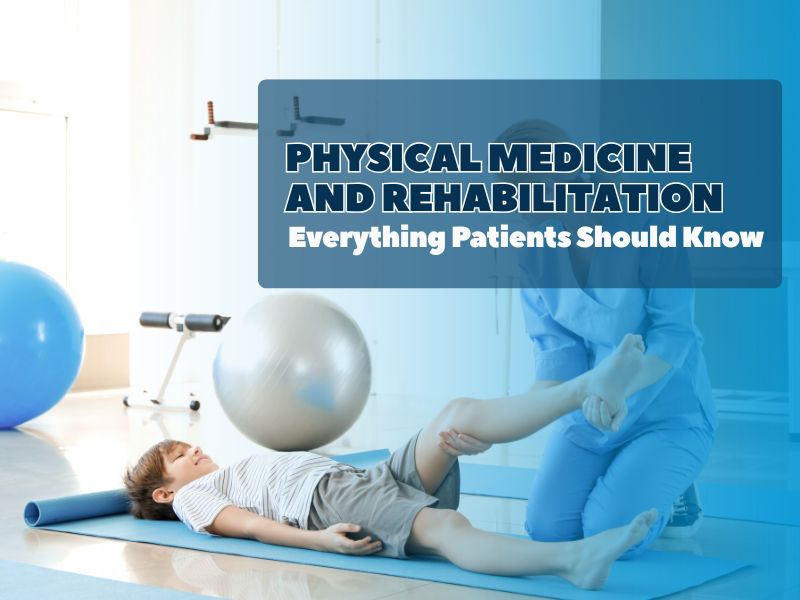
If you or someone you care for is recovering from an injury, managing a chronic pain condition, or dealing with a neurological or musculoskeletal disorder, physical medicine and rehabilitation is a field worth understanding in depth. It is one of the most comprehensive specialties in adult medicine, focused not just on treating a condition, but on restoring function, reducing pain, and improving quality of life for the whole person.
This guide explains what physical medicine and rehabilitation involves, how a specialist in this field approaches patient care, and what you should consider when seeking this type of support.
What Is Physical Medicine and Rehabilitation
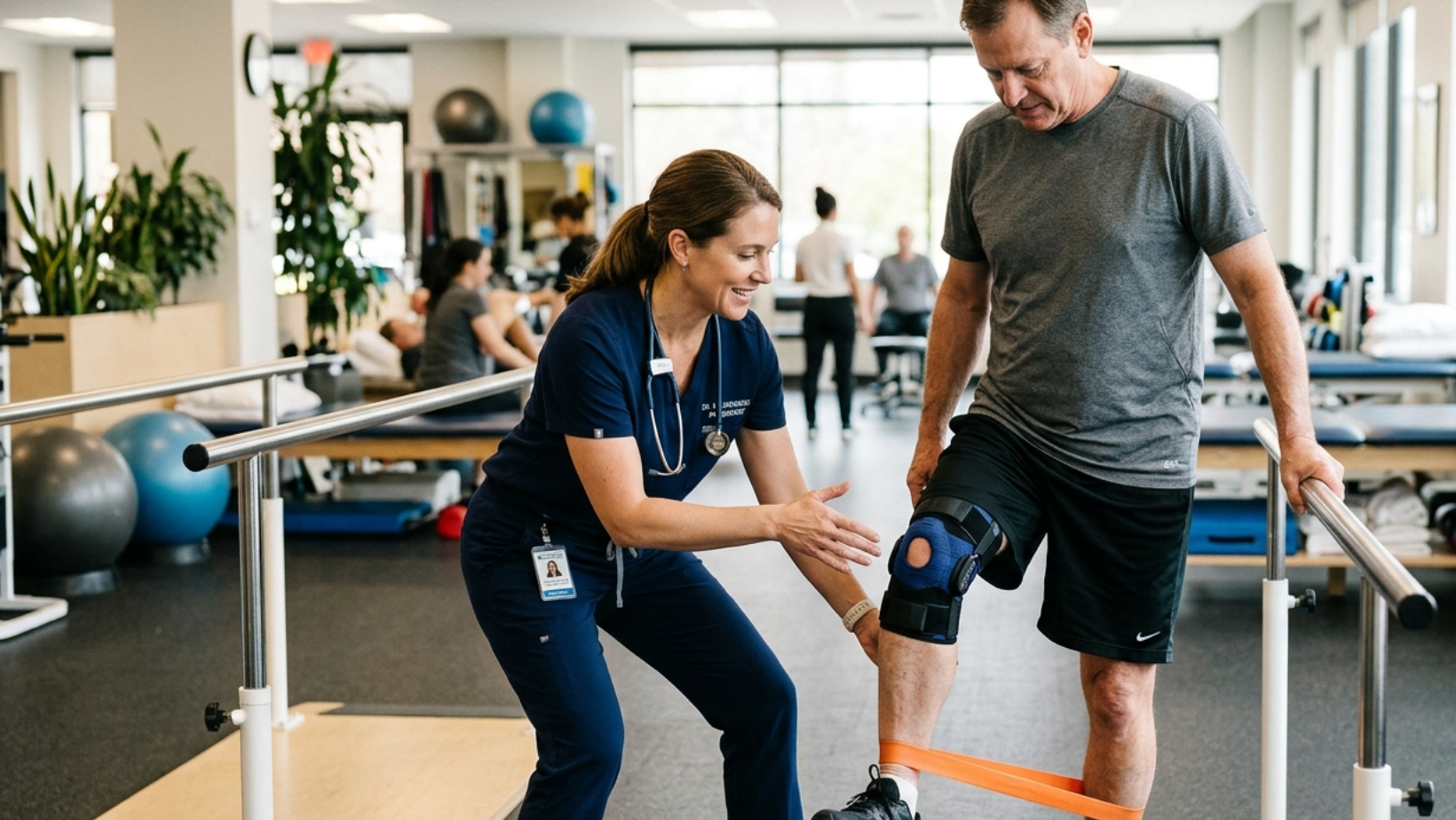
Physical medicine and rehabilitation, often referred to as physiatry, is a medical specialty concerned with diagnosing and treating conditions that affect the muscles, nerves, bones, and brain, particularly where these conditions interfere with movement and physical function. Unlike surgical specialties that focus on structural repair, physiatry emphasizes non-surgical interventions, functional recovery, and long-term disease management.
Physicians practicing in this specialty, commonly referred to as physiatrists or by their formal title as a doctor of physical medicine, complete medical school followed by several years of specialized residency training. In Canada, this includes certification through the Royal College of Physicians and Surgeons of Canada (FRCPC), which ensures that practicing specialists meet a rigorous national standard of training and competency.
The conditions managed within physical medicine and rehabilitation span a broad range, including stroke recovery, spinal cord injuries, traumatic brain injuries, musculoskeletal pain, sports injuries, nerve damage, and degenerative conditions such as osteoarthritis. This breadth makes physiatrists well positioned to coordinate care across multiple healthcare providers, from physiotherapists and occupational therapists to orthopedic surgeons and neurologists.
How a Doctor of Physical Medicine Approaches Patient Care
A doctor of physical medicine approaches each patient by focusing on function above all else. Rather than treating a diagnosis in isolation, they assess how a condition is affecting your ability to perform daily tasks, return to work, participate in physical activity, or maintain independence. This functional lens shapes every aspect of their clinical decision-making, from the assessments they order to the treatments they recommend.
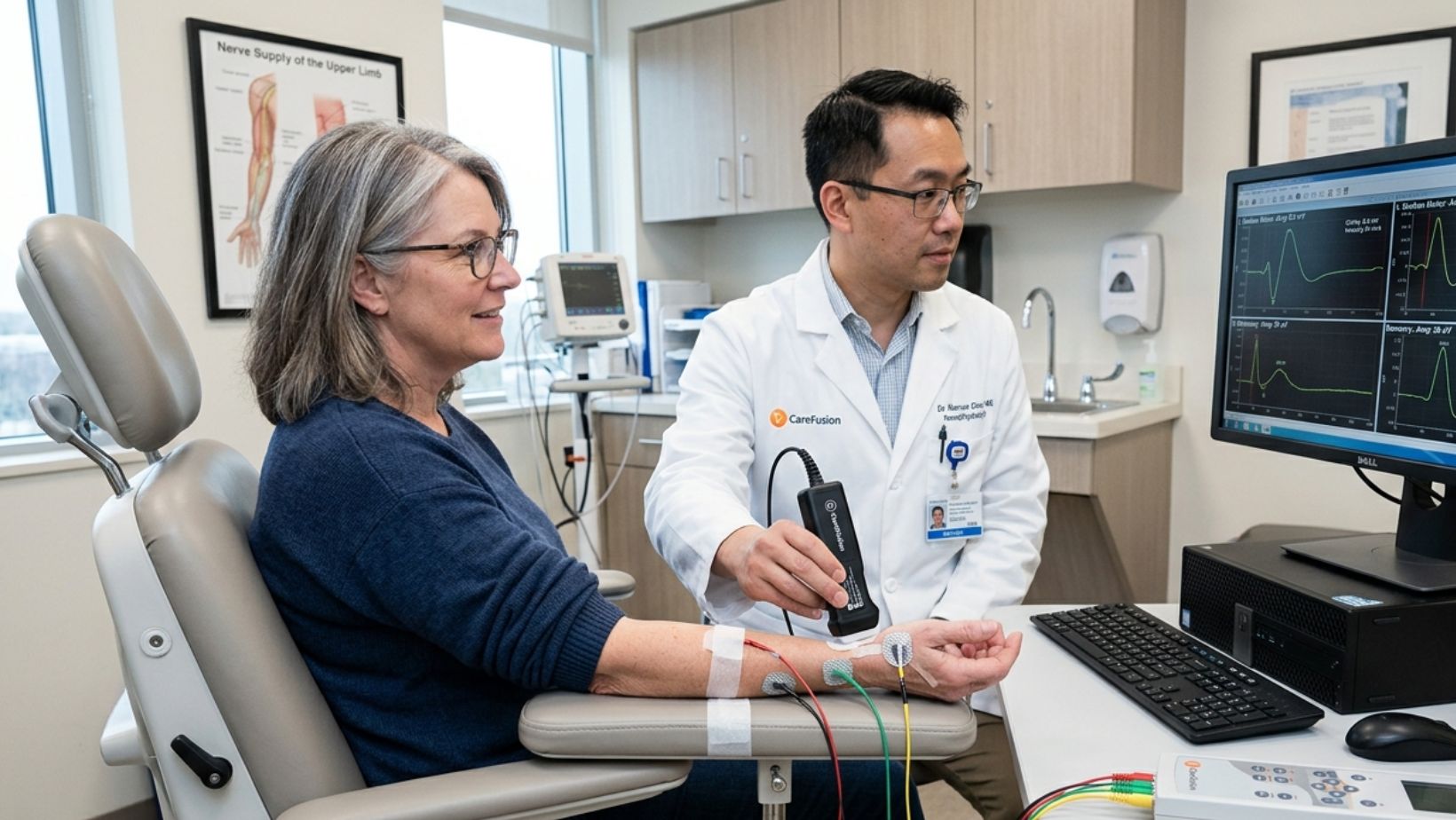
Clinical assessments in physical medicine and rehabilitation typically include a detailed history, physical examination, and, where appropriate, diagnostic tools such as electromyography (EMG) and nerve conduction studies, which measure the electrical activity of muscles and nerves. Musculoskeletal ultrasound is another tool increasingly used in this specialty to visualize soft tissue structures in real time, aiding both diagnosis and the precise delivery of interventional treatments.
Treatment plans developed by physiatrists are usually multidisciplinary by design, meaning they bring together several types of professionals and interventions to address different aspects of a patient’s recovery. A patient recovering from a stroke, for example, might receive input from a physiatrist, a speech-language pathologist, an occupational therapist, and a physiotherapist, all coordinated under a single rehabilitation plan.
What Procedures and Treatments Does Physical Medicine and Rehabilitation Include
Physical medicine and rehabilitation encompasses a wide range of treatments and procedures, depending on a patient’s diagnosis and goals. These can include therapeutic exercise programs, pain management through medications or injections, nerve blocks, orthobiologic treatments such as platelet-rich plasma (PRP) injections, radiofrequency ablation for chronic pain reduction, and advanced ultrasound-guided interventional procedures.
Electrodiagnostic medicine is another important clinical tool within this specialty. EMG and nerve conduction studies help physiatrists identify conditions such as carpal tunnel syndrome, peripheral neuropathies, and radiculopathies, providing objective data to guide treatment decisions. For patients with complex or chronic musculoskeletal conditions, these diagnostic tools can significantly improve the accuracy of diagnosis and the precision of subsequent interventions.
The use of ultrasound guidance in delivering injections and other interventional procedures has grown considerably in recent years, as it allows physicians to visualize the target area in real time and place treatments with greater accuracy than landmark-based techniques alone. This is particularly relevant in the management of acute and chronic musculoskeletal and neuromuscular conditions, where precision matters both for effectiveness and for minimizing patient discomfort.
What to Consider When Seeking Physical Medicine and Rehabilitation Care
If you are considering physical medicine and rehabilitation for a current condition, there are several practical factors worth keeping in mind before your first appointment.
First, consider whether your needs are best met by a general physiatrist or a specialist with additional training in a specific area, such as sports medicine, pain management, electrodiagnostic medicine, or stroke rehabilitation. Many physiatrists develop particular areas of clinical expertise within the broader field, and matching their focus to your condition can result in more targeted care.
Second, ask about the diagnostic and treatment tools available at the clinic or institution you are considering. Access to musculoskeletal ultrasound, electrodiagnostic equipment, and interventional procedures varies between practices, so confirming what is available ensures that you are not referred elsewhere for every investigation or treatment.
Third, think about the level of coordination involved in your care. Physical medicine and rehabilitation works best when your physiatrist is communicating effectively with other members of your healthcare team. Ask how the practice manages referrals and follows up with other providers involved in your treatment.
The Growing Role of Medical Consultants in Rehabilitation Medicine
Physiatrists increasingly contribute to healthcare systems not only as clinicians but also as advisors and medical consultant professionals. Their deep understanding of functional outcomes, return-to-work timelines, and rehabilitation pathways makes them valuable contributors to insurance assessments, legal proceedings, employer health programs, and healthcare organization planning.
A healthcare consultant with a background in physical medicine can advise organizations on how to structure rehabilitation programs, evaluate the clinical appropriateness of certain treatments, or develop occupational health protocols that support employees recovering from injury or illness. This kind of cross-disciplinary contribution is part of what makes physiatry a uniquely practical specialty within the broader consulting landscape.
Healthcare Consulting and Rehabilitation Program Design
Healthcare consulting firms working with hospitals, insurance companies, or employer health programs often benefit from the involvement of physiatrists who understand both the clinical and operational aspects of rehabilitation care. A physiatrist in a consulting role can help organizations design evidence-based rehabilitation programs, assess care quality, and identify opportunities to reduce unnecessary procedures while improving patient outcomes.
This type of advisory work is increasingly common as healthcare organizations look to improve the efficiency and effectiveness of rehabilitation services, particularly given rising rates of musculoskeletal conditions, workplace injuries, and aging populations requiring ongoing functional support.
Connecting With Specialists Through a Medical Consultant Network
If you are a healthcare organization, insurer, or employer looking for specialist input on rehabilitation medicine, connecting with a medical consultant network can provide access to physiatrists and other rehabilitation specialists without needing to hire full-time advisors. These networks match organizations with clinical experts based on their specific needs, enabling more flexible and cost-effective access to specialist knowledge.
One example of a physician contributing to this dual role is Dr. Alex Wasserman, MD, FRCPC, a physiatrist affiliated with MDconsultants. Dr. Wasserman completed his FRCPC training in Physical Medicine and Rehabilitation at the University of Manitoba and pursued advanced fellowship training in ultrasound-guided diagnostic and interventional procedures. His clinical interests include musculoskeletal ultrasound, orthobiologics, radiofrequency technology, and electrodiagnostic medicine. He has published peer-reviewed research in stroke rehabilitation and platelet-rich plasma applications and has presented at national conferences including the Canadian Physical Medicine and Rehabilitation annual meeting. He also serves as a physician advisor and mentor for early-stage startup companies in the sports medicine and rehabilitation space, reflecting the kind of dual clinical and consulting engagement that defines the modern physiatrist’s role.
Final Thoughts
Physical medicine and rehabilitation offers patients a comprehensive, function-focused approach to recovering from injury, managing chronic pain, and addressing neurological and musculoskeletal conditions. Whether you are exploring care for yourself or evaluating how rehabilitation medicine fits into your organization’s health strategy, understanding what this specialty involves and what to look for in a qualified specialist is the first step toward making informed decisions.
For organizations or individuals looking to connect with experienced physical medicine and rehabilitation specialists or access physician-led consulting support, MDconsultants offers a trusted network of medical professionals ready to help.