
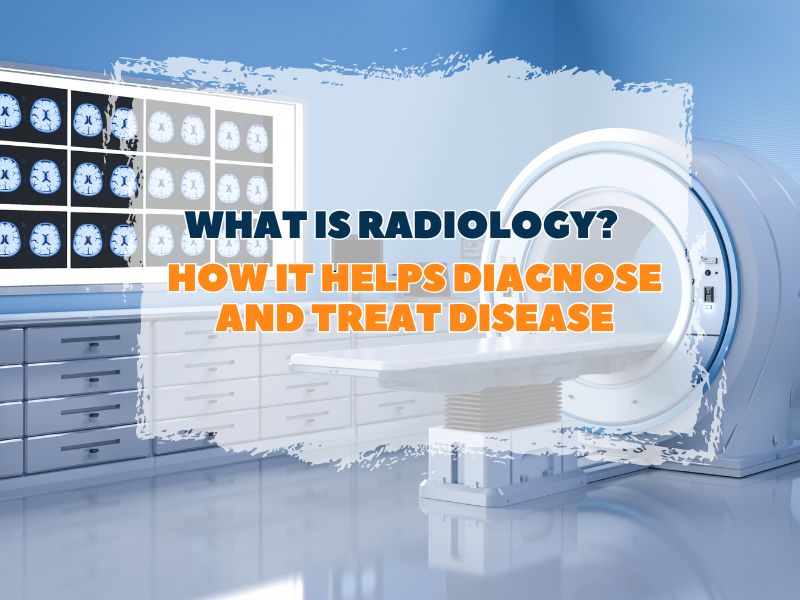
What is radiology is one of the most commonly searched questions among patients who have been referred for an imaging test and want to better understand what that process involves. Radiology is a medical specialty that uses imaging technology to visualize the internal structures of the human body for the purpose of diagnosing disease, guiding treatment, and monitoring patient health over time.
Understanding what is radiology helps patients make sense of their healthcare journey, particularly when a referring physician orders an X-ray, CT scan, MRI, or ultrasound as part of a diagnostic workup. It also helps clarify the role of the radiologist, the physician behind the scenes who interprets those images and communicates critical findings to the rest of the care team.
What Is Radiology and How Did It Develop
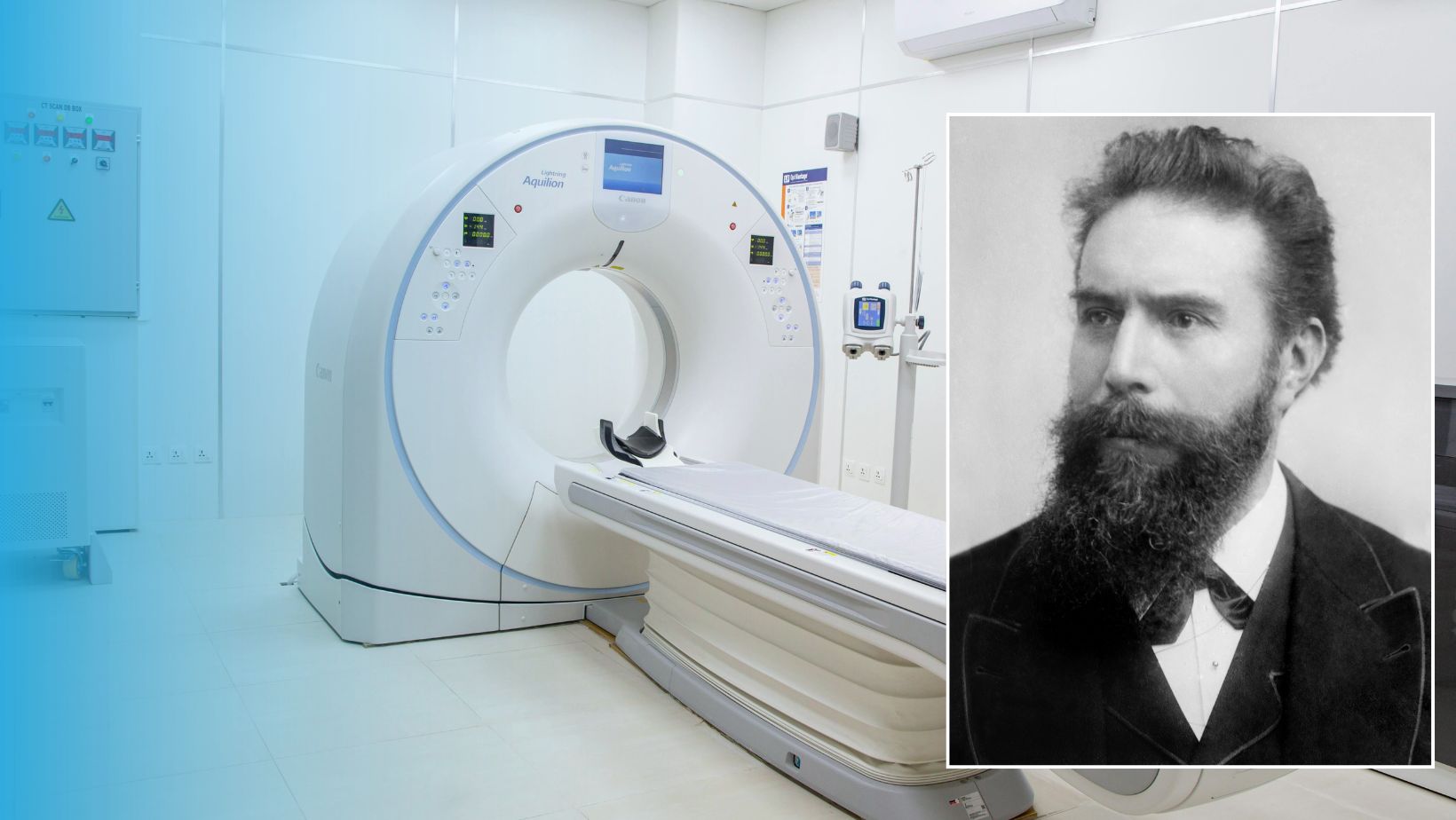
What is radiology as a medical discipline can be traced back to 1895, when Wilhelm Roentgen discovered X-rays and demonstrated that electromagnetic radiation could pass through soft tissue and create images of internal bone structures. This discovery earned Roentgen the first Nobel Prize in Physics in 1901 and laid the foundation for what would become one of the most essential specialties in modern medicine.
Over the following century, the field expanded dramatically. The development of computed tomography in the 1970s, magnetic resonance imaging in the 1980s, and continued advances in ultrasound, nuclear medicine, and interventional techniques have made radiology an indispensable component of virtually every area of clinical medicine. Today, what is radiology encompasses both diagnostic and therapeutic applications, with imaging used not only to identify disease but also to guide minimally invasive procedures that treat it.
In Canada, radiology is a recognized medical specialty regulated through the Royal College of Physicians and Surgeons of Canada, which oversees training and certification standards for the profession.
What Does a Radiology Do
When patients ask what does a radiology do, the question generally refers to what radiologists do in their day-to-day clinical practice. A radiologist is a physician who specializes in acquiring and interpreting medical images, and their work supports clinical decision making across nearly every medical specialty.
In practical terms, a radiologist reviews imaging studies ordered by referring physicians and produces a written report that describes the findings and their clinical significance. This report guides the referring physician in confirming a diagnosis, ruling out suspected conditions, or identifying findings that require further investigation or urgent attention.
The scope of what does a radiology do extends well beyond simply reading images. Radiologists are involved in selecting the most appropriate imaging modality for a given clinical question, ensuring that the right type of scan is ordered for the situation rather than defaulting to a more costly or radiation-intensive test when a simpler option would suffice. They also consult directly with referring physicians when findings are complex or when immediate communication of a critical result is necessary.
Interventional radiology is a subspecialty that takes the work of what does a radiology do into procedural territory. Interventional radiologists use imaging guidance to perform minimally invasive procedures such as biopsies, drain placements, arterial embolization, and tumor ablation, replacing or complementing more invasive surgical approaches in many clinical scenarios. These procedures are performed under real-time imaging guidance using X-ray fluoroscopy, ultrasound, or CT, allowing precise targeting of anatomical structures with minimal disruption to surrounding tissue.
Other subspecialties within radiology include neuroradiology, musculoskeletal radiology, breast imaging, pediatric radiology, nuclear medicine, and cardiovascular imaging, each requiring additional fellowship training beyond general radiology certification.
Is a Radiology a Doctor
A common source of confusion for patients is whether the person interpreting their imaging study is actually a physician. The direct answer to is a radiology doctor is yes. Radiologists are fully qualified medical doctors who have completed medical school, followed by a residency program in radiology that typically spans four to five years after graduation, and in many cases an additional fellowship year in a subspecialty area.
Is radiology a doctor in the same way a family physician or surgeon is a doctor? Yes, in terms of medical training and qualifications. A radiologist holds the same foundational medical degree as any other physician and has completed comparable postgraduate training, with the specific focus of that training directed toward imaging science, anatomy, pathology, and procedural technique.
The reason patients sometimes question whether a radiologist is a doctor is that radiologists work largely behind the scenes. Unlike most physicians, radiologists rarely have face-to-face interactions with patients in a traditional clinical setting. Their work is conducted in reading rooms equipped with high-resolution diagnostic monitors, where they review imaging studies submitted electronically from hospitals, clinics, and imaging centres. This invisible but critical role is why many patients are unaware of how central radiology is to their care.
That said, this dynamic is shifting. Interventional radiologists in particular interact directly with patients before and after procedures, and many diagnostic radiologists are increasingly involved in multidisciplinary team meetings where they present imaging findings alongside oncologists, surgeons, and other specialists.
The Different Types of Radiology in Modern Healthcare
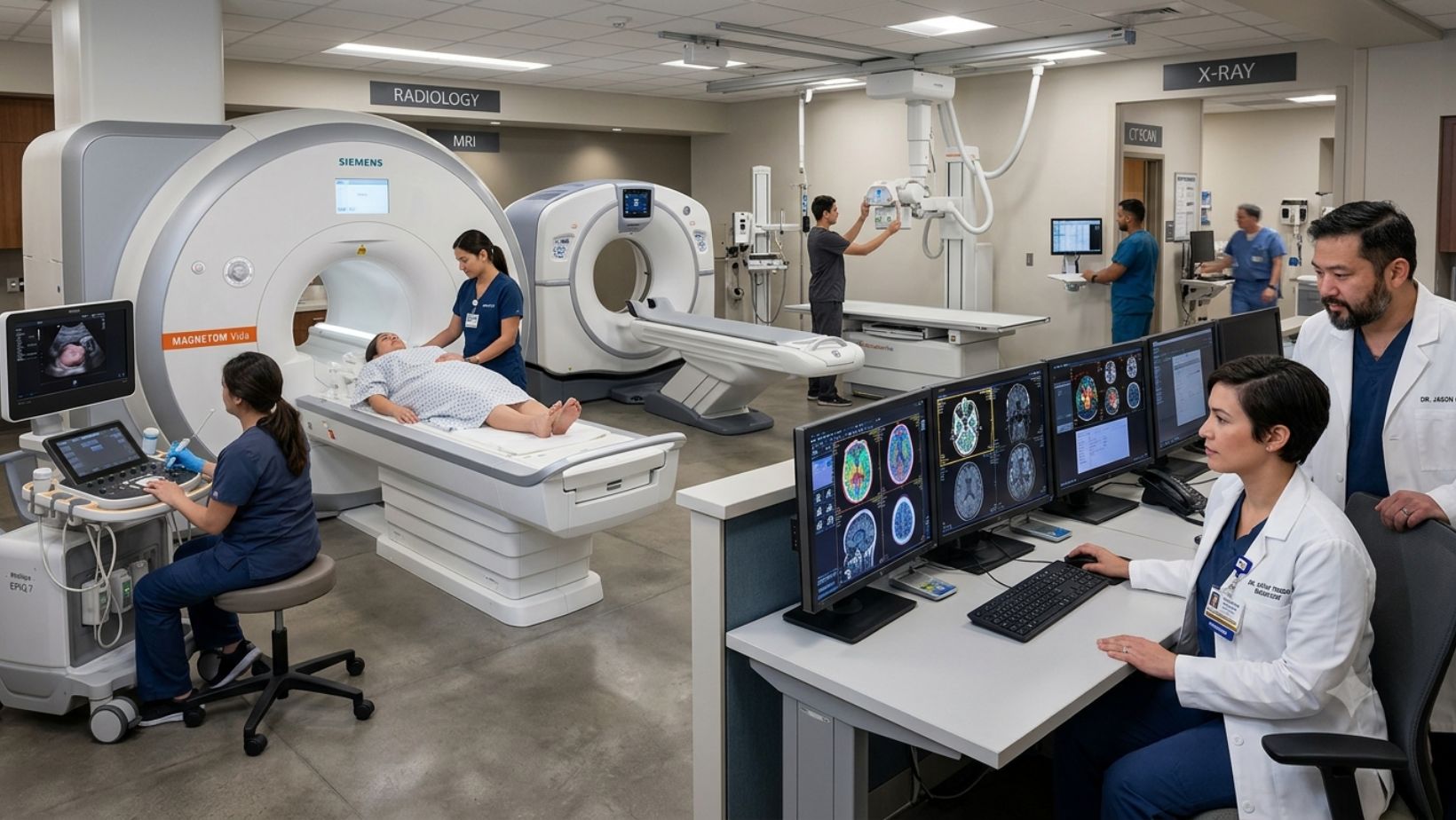
What is radiology in today’s healthcare environment encompasses a wide range of modalities and subspecialties, each suited to different clinical questions and patient populations.
Diagnostic X-ray remains the most widely used imaging modality, particularly for evaluating bone fractures, chest conditions such as pneumonia or heart failure, and abdominal abnormalities. Computed tomography provides cross-sectional imaging with high anatomical detail and is commonly used in emergency settings, oncology, and complex surgical planning. Magnetic resonance imaging offers superior soft tissue contrast without radiation exposure and is widely used in neurological, musculoskeletal, and pelvic imaging.
Ultrasound is a radiation-free, real-time imaging technique used extensively in obstetrics, abdominal imaging, vascular assessment, and procedural guidance. Nuclear medicine imaging, including positron emission tomography, assesses organ function and metabolic activity rather than anatomy, making it particularly valuable in oncology and cardiology. Each of these modalities reflects a different dimension of what is radiology and why the specialty requires extensive, specialized training to practice safely and effectively.
Why Radiology Matters to the Broader Healthcare System
What is radiology in the context of healthcare delivery is fundamentally a question about how clinical decisions are made. Accurate imaging interpretation is essential to avoiding both underdiagnosis and overdiagnosis, two problems that carry significant consequences for patients and health systems alike. A missed finding on a chest CT can delay a cancer diagnosis, while an overcalled abnormality can lead to unnecessary biopsies, anxiety, and additional healthcare costs.
Radiologists serve as a quality control mechanism within the diagnostic process, applying specialized training to ensure that imaging findings are interpreted accurately and communicated clearly to the clinical team. The Canadian Association of Radiologists provides national guidelines and resources on imaging best practices, and their work supports the consistent, evidence-based use of radiology across the country. You can explore their resources through the Canadian Association of Radiologists.
A medical consultant with expertise in radiology can also contribute to health system improvement by advising on imaging utilization, protocol development, and quality assurance programs within hospital and clinic settings.
Radiology and Healthcare Consulting
As health systems work to improve diagnostic efficiency and reduce unnecessary imaging, healthcare consulting has become an important tool for organizations looking to optimize their radiology operations. A healthcare consultant with clinical imaging experience can help hospitals and health authorities evaluate imaging volumes, assess wait times, identify gaps in reporting turnaround, and develop strategies for improving both access and quality in radiology services.
These consulting engagements often involve close collaboration between radiologists, hospital administrators, and referring clinicians to align imaging utilization with clinical need, reduce redundant studies, and ensure that patients receive timely access to the imaging services that matter most to their care.
The Role of Medical Consultant Networks in Radiology Advisory Work
A medical consultant network that includes physicians with radiology experience can provide health organizations with flexible access to specialized imaging expertise for advisory projects, quality reviews, or program development initiatives. These networks are particularly valuable for smaller or community-based organizations that may not have in-house radiology leadership with the bandwidth to take on system-level advisory work alongside clinical responsibilities.
Final Thoughts
Understanding what is radiology gives patients and healthcare professionals alike a clearer picture of how imaging science supports the full spectrum of modern clinical care. From detecting fractures on a plain X-ray to guiding complex interventional procedures, radiology underpins countless clinical decisions every day across hospitals, clinics, and imaging centres throughout Canada.
Whether you are a patient navigating a referral for imaging, a physician considering the consulting dimensions of your specialty, or a healthcare organization looking to improve its diagnostic services, the expertise of qualified radiologists and clinical advisors remains central to delivering high-quality, evidence-based care.
If you are looking to connect with experienced medical consultants or explore physician-led consulting support, MDconsultants offers a trusted network of medical professionals ready to help.