

Healthcare is changing faster today than at any other point in history. One of the biggest drivers of this transformation is Telemedicine. What started as a convenient option during emergencies has now become a core part of how healthcare systems deliver care, manage patients, and improve accessibility.
From rural communities to major cities, telemedicine is reshaping how patients connect with doctors, specialists, and healthcare providers. It is also changing how hospitals operate, how clinicians manage workloads, and how healthcare systems think about long-term patient care.
In countries like Canada, telemedicine Canada has become especially important due to geographic challenges, healthcare shortages, and increasing demand for faster access to care.
What Is Telemedicine and Why It Matters Today
Telemedicine refers to the delivery of healthcare services through digital communication tools such as video calls, mobile apps, and online platforms. Instead of visiting a clinic in person, patients can consult doctors remotely.
This includes:
- Virtual consultations with physicians
- Remote diagnosis and follow-ups
- Digital prescription services
- Online mental health support
- Chronic disease monitoring
Telemedicine is not meant to replace traditional healthcare entirely. Instead, it expands access and improves efficiency within the healthcare system.
In many cases, it reduces unnecessary hospital visits and allows doctors to focus on more urgent or complex cases.
Why Telemedicine Has Become Essential in Modern Healthcare
The rise of Telemedicine is not just about convenience. It is a response to real challenges in healthcare systems worldwide.

Some of the key drivers include:
- Growing patient populations
- Limited access to healthcare in remote areas
- Long wait times for in-person appointments
- Shortage of healthcare professionals
- Increased demand for mental health services
Telemedicine helps bridge the gap between patients and providers, especially in areas where healthcare access is limited.
For example, patients in rural regions of Canada can now access specialists without traveling long distances, improving both speed and quality of care.
The Role of Healthcare Consulting in Telemedicine Growth
The rapid expansion of telemedicine has created new operational and regulatory challenges for healthcare organizations. This is where healthcare consulting plays an important role.

A healthcare consultant helps organizations:
- Design telemedicine workflows
- Improve patient data management
- Ensure compliance with healthcare regulations
- Integrate digital tools into existing systems
- Optimize patient experience and accessibility
Many organizations also rely on healthcare management consulting firms to guide large-scale digital transformation projects. These firms help hospitals and clinics transition from traditional systems to hybrid or fully digital care models.
Without proper planning, telemedicine systems can become inefficient or fail to meet regulatory standards. Consulting ensures these systems are both effective and compliant.
How Medical Consultants Support Telemedicine Systems
A medical consultant plays a critical role in ensuring that telemedicine services maintain clinical quality.
Unlike technical consultants who focus on systems and software, medical consultants focus on:
- Clinical accuracy of virtual consultations
- Patient safety in remote care
- Proper diagnosis and treatment protocols
- Integration of medical standards into digital platforms
They help ensure that telemedicine is not just convenient, but also medically reliable.
In many healthcare systems, medical consultants work closely with healthcare consulting teams to align clinical practice with digital healthcare delivery.
The Role of Medical Research Consultants in Telemedicine Development
As telemedicine continues to evolve, evidence-based research becomes increasingly important. Medical research consultants contribute by analyzing data, studying patient outcomes, and evaluating the effectiveness of virtual healthcare models.
Their work includes:
- Studying telemedicine effectiveness
- Evaluating patient satisfaction
- Identifying gaps in virtual care delivery
- Supporting clinical research on digital health tools
This research helps healthcare systems make informed decisions about expanding telemedicine services.
It also ensures that virtual healthcare continues to meet high medical standards.
Benefits of Telemedicine for Patients and Healthcare Providers
Telemedicine offers advantages for both patients and healthcare providers.
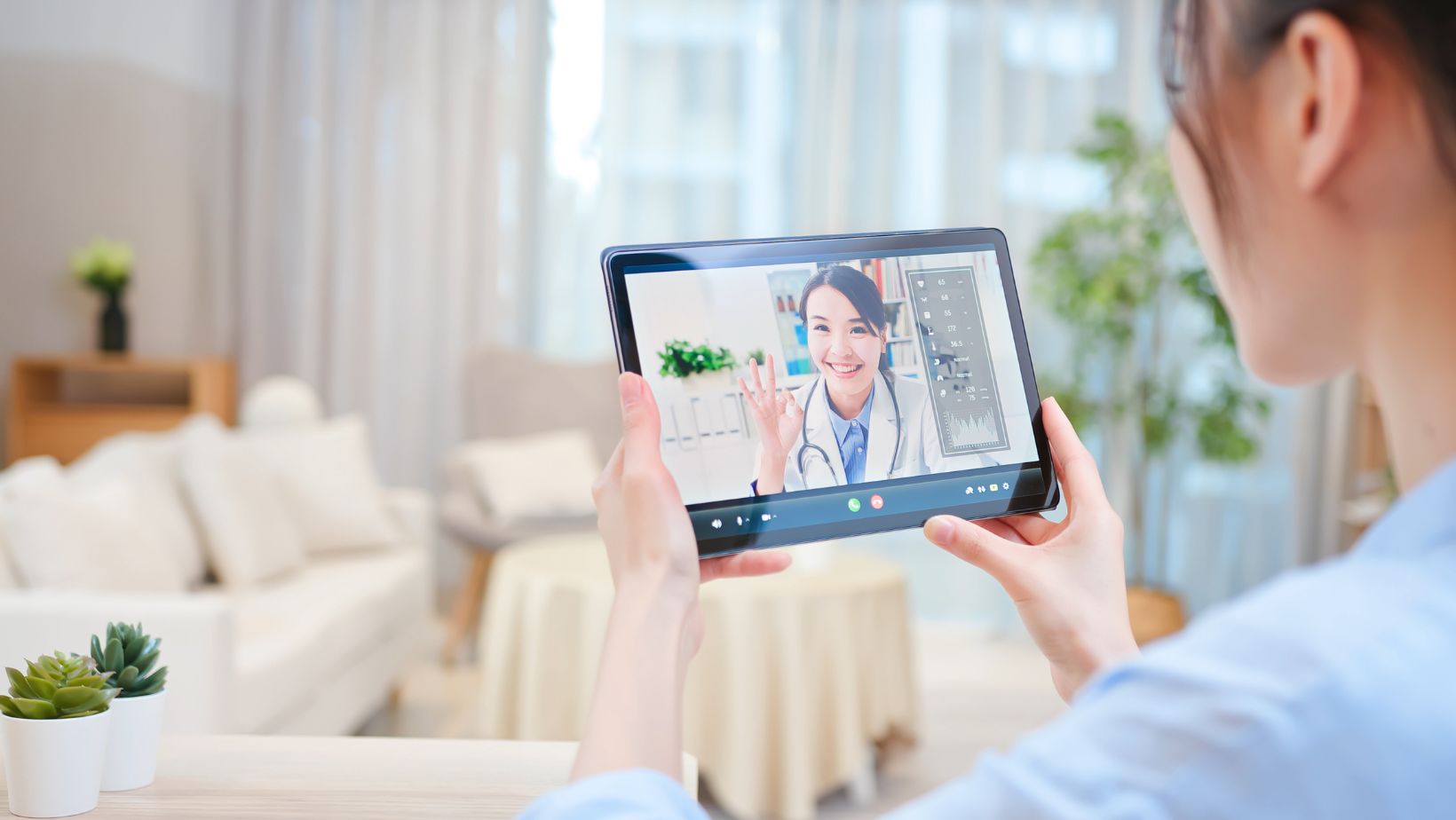
For Patients
- Faster access to healthcare services
- Reduced travel time and cost
- Easier access to specialists
- Improved follow-up care
- Greater convenience for chronic conditions
For Healthcare Providers
- Reduced patient overload in clinics
- More efficient scheduling
- Ability to serve remote populations
- Improved time management
- Better continuity of care
By reducing physical barriers, telemedicine improves overall healthcare efficiency.
Telemedicine in Canada: A Growing Necessity
Telemedicine Canada has become particularly important due to the country’s large geographic size and remote communities.
Many Canadians face challenges such as:
- Long travel distances to hospitals
- Limited access to specialists
- Healthcare staffing shortages in rural areas
- Long wait times for in-person visits
Telemedicine helps address these issues by providing remote access to healthcare professionals.
It has become a critical tool for improving healthcare equity across provinces and territories.
Challenges Facing Telemedicine Adoption
Telemedicine has grown rapidly in recent years as healthcare systems look for more efficient ways to deliver care. It allows patients to access medical services remotely, improving convenience and reach. However, its adoption is not without difficulties. Several operational, technical, and clinical barriers continue to slow full integration.
Technology Barriers
Not all patients have access to reliable internet connections, especially in rural or low-income areas. Some individuals also lack access to smartphones, computers, or other required digital devices. These gaps in technology create inequality in access to telemedicine services. As a result, healthcare providers must consider alternative delivery methods for underserved populations.
Privacy and Data Security
Protecting patient information is a major concern in virtual healthcare environments. Telemedicine platforms must comply with strict data protection and healthcare privacy regulations. Any breach of sensitive medical data can lead to legal and ethical consequences. Continuous system monitoring and secure communication channels are essential to maintain patient trust.
Clinical Limitations
Certain medical conditions require physical examinations that cannot be done virtually. Diagnostic accuracy may be limited when healthcare providers cannot directly assess patients. This can affect treatment decisions in more complex cases. As a result, telemedicine is often more suitable for follow-ups and non-emergency consultations.
System Integration Issues
Many healthcare systems still rely on legacy medical record platforms that do not easily integrate with telemedicine tools. This creates inefficiencies in data sharing between virtual and in-person care settings. Healthcare staff may also face difficulties adapting to multiple disconnected systems. Improving interoperability remains a key priority for digital health transformation.
How Telemedicine Is Changing Healthcare Management
Telemedicine is not just changing patient care. It is also transforming healthcare management consulting firms and how healthcare systems operate.
Hospitals and clinics are now focusing on:
- Hybrid care models (in-person + virtual care)
- Digital patient engagement systems
- Remote monitoring tools
- AI-assisted diagnostics and triage systems
This shift requires strategic planning, which is why consulting services are becoming more important than ever.
The Future of Telemedicine in Healthcare
The future of Telemedicine is expected to grow even further as technology advances.
Key future trends include:
- AI-powered virtual consultations
- Remote patient monitoring devices
- Integrated digital health records
- Expansion of telehealth insurance coverage
- Increased use in mental health services
As these technologies evolve, telemedicine will become even more integrated into everyday healthcare delivery.
Conclusion
Telemedicine has become a fundamental part of modern healthcare, transforming how patients access care and how providers deliver services. It improves accessibility, reduces healthcare strain, and enhances patient convenience, especially in regions like telemedicine Canada where geographic barriers are significant.
However, successful telemedicine systems require more than technology alone. They need structured planning, clinical oversight, and strategic implementation supported by healthcare consulting, medical consultants, healthcare consultants, healthcare management consulting firms, and medical research consultants.
As telemedicine continues to grow and reshape the healthcare landscape, organizations that want to build efficient, compliant, and patient-focused systems can benefit from expert guidance.
For structured healthcare strategy, digital transformation support, and consulting expertise, MDconsultants can help healthcare professionals and organizations navigate the future of modern care with confidence.