No, they are two different specialties. Emergency medicine and critical care medicine share patients, skills and even training time, but they differ in where the work happens, how long physicians stay with a patient, and how a physician qualifies in Canada. Emergency physicians assess and stabilize anyone who arrives with an urgent problem. Critical care physicians, also called intensivists, manage patients whose illness or injury threatens their life, usually in an intensive care unit.
If you have searched questions like “What is the difference between emergency medicine and critical care?” or “Can an ER doctor work in the ICU?”, this guide answers them for the Canadian context.
What Is Emergency Medicine?
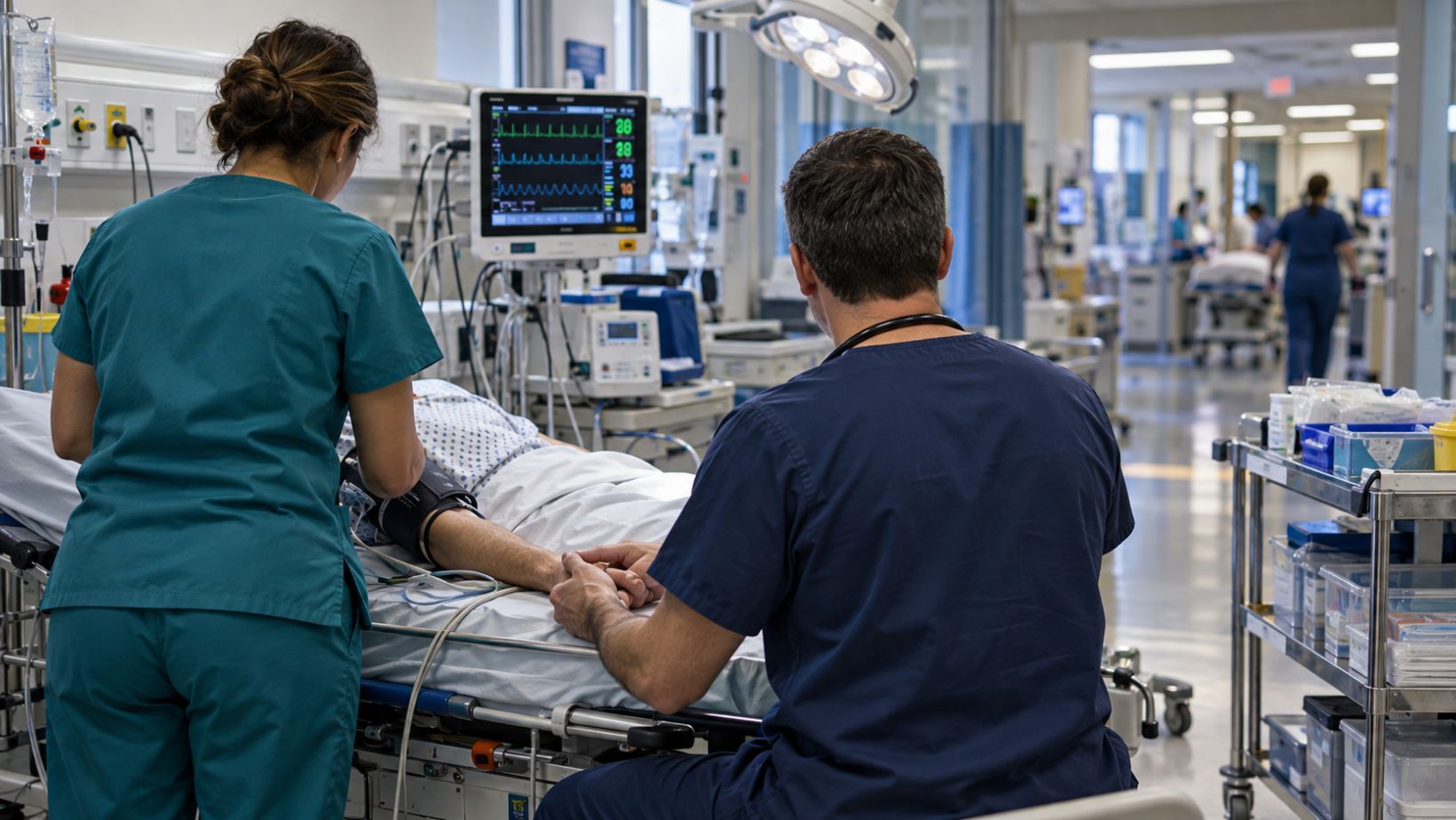
Emergency medicine is the specialty built around the first hours of an acute illness or injury. The emergency department is the main entry point for people with sudden problems, and the physician has to sort, diagnose, treat and decide where the patient goes next, often with incomplete information.
The work is broad. A single shift can include chest pain, a child with a high fever, a trauma activation, a poisoning and a mental health crisis. Emergency physicians are generalists in the best sense: they need enough depth in every system to make a safe first decision quickly.
What Is Critical Care Medicine?
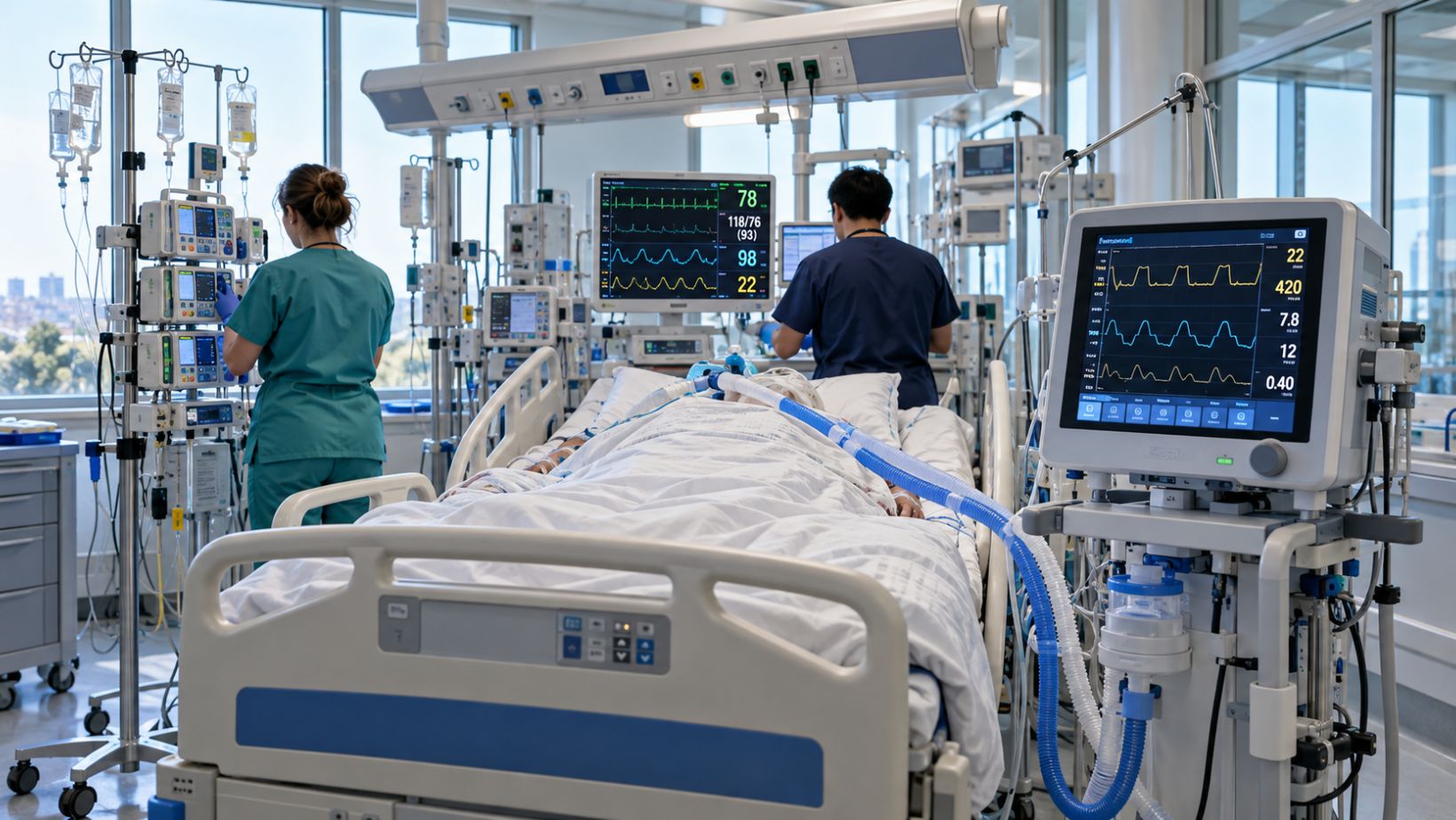
Critical care, also known as intensive care, is a team based specialty that looks after patients with acute, life threatening illness or injury. It can be provided wherever life is threatened, including at an accident scene, in an ambulance, in an emergency room or in an operating room, although most of it today is delivered in specialized intensive care units.
An intensivist is a physician with additional training in critical care who directs the care of these patients and coordinates nurses, respiratory therapists, pharmacists and other specialists. The focus is depth and continuity: supporting failing organs, managing ventilators and medications, and guiding the patient and family through a long, complex course.
Emergency Medicine vs Critical Care at a Glance
| Feature | Emergency Medicine | Critical Care Medicine |
| Main setting | Emergency department | Intensive care unit |
| Patient population | Everyone, from minor to life threatening | Patients with life threatening illness or injury |
| Pace | Fast, many patients at once | Focused, fewer patients over longer periods |
| Core task | Diagnose, stabilize, decide disposition | Sustain organs, treat the cause, guide recovery |
| Relationship with patient | Short, often hours | Extended, often days or weeks |
| Breadth vs depth | Broad across all conditions | Deep across the sickest patients |
How Training Differs in Canada
Training is where the two specialties separate most clearly.
Emergency medicine has two routes. The first is a five year Royal College residency leading to Fellowship in Emergency Medicine (FRCPC). Royal College requirements include at least six months of critical care rotations, so every Royal College emergency physician trains in the ICU environment. The second route is family medicine followed by an additional year of emergency medicine training through the College of Family Physicians of Canada, often called the CCFP EM pathway.
Critical care is a subspecialty, not an entry level residency. Royal College routes into Adult Critical Care Medicine begin with certification, or enrolment in training, in anesthesiology, cardiac surgery, emergency medicine, general surgery or internal medicine. At the University of Toronto, the adult program is a two year residency that leads to Royal College subspecialty certification.
That is why the answer to “Is an ER doctor the same as an intensivist?” is no. An emergency physician can become an intensivist, but only by completing the additional critical care training. Programs such as Queen’s University accept applicants from internal medicine, surgery, emergency medicine and anesthesiology.
Where the Two Specialties Overlap
The overlap is real and growing. Academic emergency medicine researchers have described how the two specialties developed at the same time and have strongly influenced each other. Physicians writing in the Medical Journal of Australia have also pointed to strong clinical and curriculum similarities between emergency medicine and intensive care medicine.
Daily practice shows the same blend. Emergency physicians intubate, resuscitate shock and start ventilators long before a bed opens upstairs. Hospital crowding makes this more common. Some institutions have created units inside the emergency department with ICU level staffing and monitoring to manage patients who are boarding while waiting for an inpatient bed. Some emergency physicians go further and describe the emergency department itself as a critical care environment, a view promoted by the American Academy of Emergency Medicine’s critical care section.
The practical difference is not whether critical care happens in the emergency department. It does. The difference is that emergency medicine covers the first window across all patients, while critical care specialists take over sustained, organ level management.
Which Path Fits You?
Emergency medicine tends to suit physicians who enjoy variety, rapid decisions, procedures and the challenge of an undifferentiated patient. Critical care tends to suit those who prefer physiology, complex problem solving, longer relationships with patients and families, and leading a multidisciplinary team.
Neither choice is permanent. Many physicians combine the two by completing emergency medicine and then critical care training, and others practise emergency medicine with a strong focus on resuscitation. If you are a resident or practising physician weighing a change of direction, a conversation with a medical consultant network can help you map options, locums and career steps before you commit.
Why This Matters for Healthcare Leaders
The line between emergency and critical care affects more than individual careers. Hospital leaders decide how to staff emergency departments, where to place ICU beds and how to handle boarding. Clinics and ventures planning urgent care services need to understand which skills sit where. MDconsultants supports these decisions through healthcare startup consulting, health services delivery and organizational health and wellness work. Burnout is a known risk in both emergency and critical care, so staffing models and workplace wellness belong in the same planning conversation.
Frequently Asked Questions
Is emergency medicine the same as critical care?
No. Emergency medicine manages undifferentiated acute illness and injury, mainly in the emergency department. Critical care is a separate specialty focused on life threatening conditions, mainly in the ICU.
Is an ER doctor an intensivist?
Not automatically. An intensivist has completed additional critical care training. An emergency physician may hold that training, but most do not.
Can an emergency physician work in the ICU in Canada?
Yes, through Royal College critical care training after emergency medicine certification, subject to program and hospital requirements.
How long does it take to become an emergency physician in Canada?
The Royal College route takes five years of residency. The family medicine route takes two years of residency plus a one year emergency medicine program.
How long does critical care training take?
Adult critical care is a subspecialty that follows a primary specialty. Programs such as Toronto’s run for two years.
Conclusion
Emergency medicine and critical care are neighbours, not twins. They share skills and patients, but they differ in training, setting and pace. Understanding the difference helps students choose a path, helps physicians plan their next move, and helps healthcare organizations build the right teams.
If you are a physician exploring your options, join MDconsultants. If you lead a clinic, hospital or healthcare venture, contact MDconsultants to talk through your needs.